
Are Wax Melts Safe for Cats? An Honest Guide for Cat Owners
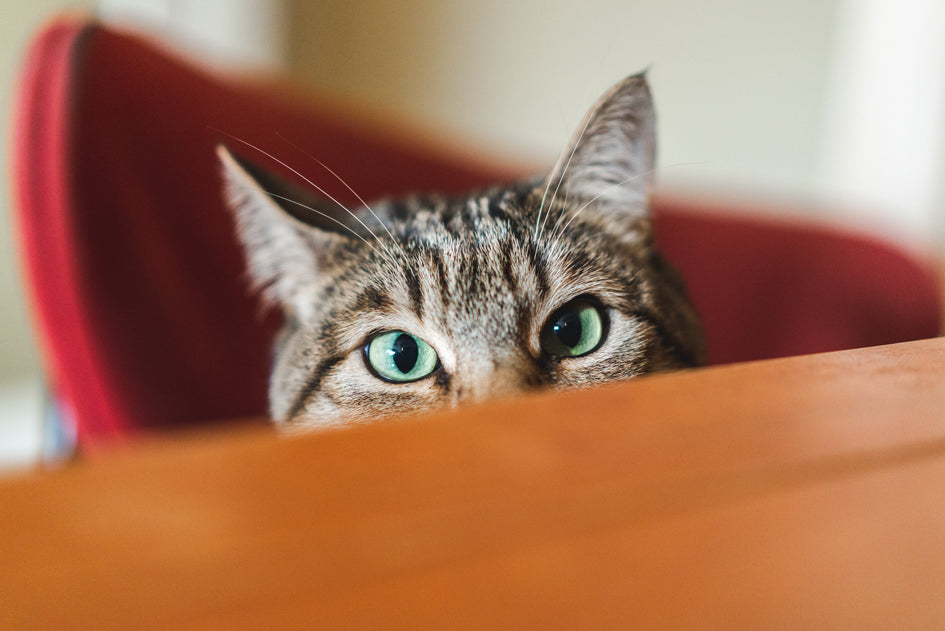
The short answer: used sensibly, yes — wax melts are safe to use in a home with cats. The fragrance in the air at normal levels is very unlikely to harm a healthy cat. The genuine hazards are physical: a naked flame and a dish of hot wax on surfaces your cat considers a public footpath, melted wax on fur (which a cat will then groom off and swallow), and — less often than with dogs, but not never — an eaten melt. Every one of those is preventable, and honestly, most of the prevention is one decision: which burner you use.
We have pets in abundance here at Fosse Living, and our melts get used in our own cat-supervised homes daily. Here's the full, honest picture.
Why cats get their own article
We've covered wax melts and dogs separately, because cats aren't small dogs — for two reasons of biology and one of behaviour.
Different liver, different rules. Cats' livers lack some of the enzymes humans and dogs use to break down certain compounds, including phenols found in some essential oils. It's why several medicines that are fine for dogs are dangerous for cats, and why the concentrated oils with the worst reputations — tea tree, eucalyptus, wintergreen, pennyroyal, some citrus and pine oils — warrant more caution around cats than around any other pet.
Grooming turns contact into ingestion. Anything on a cat's fur is in their mouth within the hour. A splash of cooling wax that a dog would carry around harmlessly for a week becomes, for a cat, something they've eaten by teatime.
And the behaviour: cats go everywhere. "Keep the burner up high", our standard dog advice, barely slows a cat down. Your mantelpiece is their walkway; the bookshelf is a viewing platform. Cat-safe wax melting is about the type of burner and the choice of room more than the height of the shelf.
The honest disclaimer we give everyone
UK home fragrance products are made to IFRA safety standards — written for humans, not pets. Definitively proving a fragrance safe for cats would require animal testing, which we don't support and won't do. So "pet safe", from us or anyone, means: no ingredients known to be harmful, sensible exposure, honest guidance — never a guarantee signed by a tabby.
You'll also see "essential oils toxic, fragrance oils safe" repeated across wax melt websites. Half-truth: fragrance oils frequently contain the same aroma compounds (limonene, linalool and so on) as the essential oils they mimic. What protects your cat is low airborne levels and concentrated products staying out of reach — not the wording on the label.
Sniffing vs swallowing
Normal use. A melt gently warming in a burner releases fragrance at low levels into a room your cat can leave. Your cat already navigates daily scent from cleaning products, laundry and cooking; for a healthy cat, this is very low risk.
Two caveats worth respecting: cats with asthma — feline asthma is genuinely common, airborne irritants of any kind can aggravate it, so keep fragrance away from an asthmatic cat's rooms and involve your vet — and sealed rooms: never run a burner in a small closed room a cat is shut in. An open door is a cat's best safety feature.
Eating it. An unused melt is a solid lump of wax carrying a concentrated dose of fragrance oil. Cats are choosier than dogs and less likely to scoff one, but kittens chew everything and some adult cats make exceptions. The concerns are the fragrance oil (not meant to be eaten by anyone) and, in a small cat, the outside chance of a blockage.
The burner is most of the safety story
Here's the practical heart of it. With cats, the fragrance is the minor consideration — the hardware is the major one.
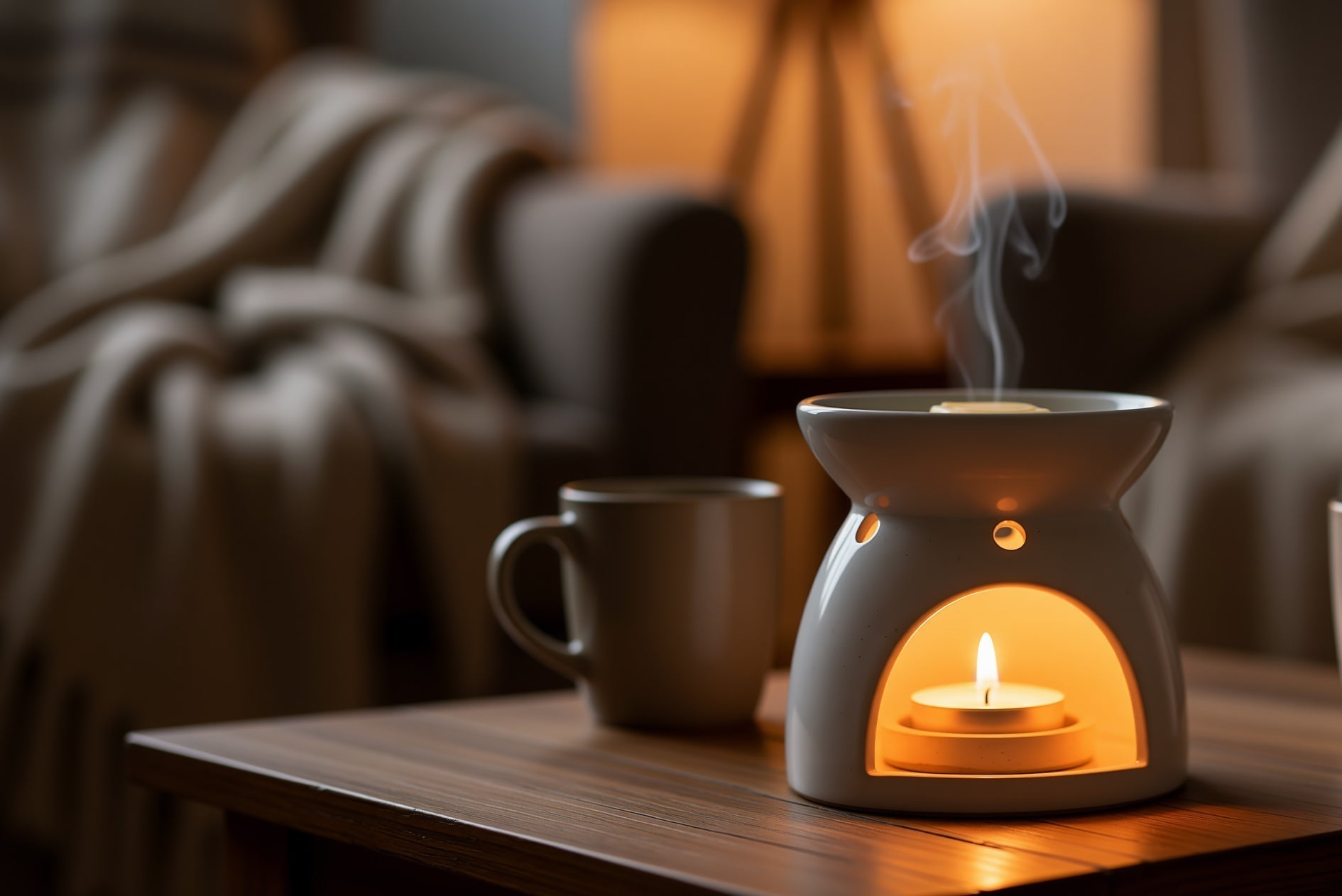
Tealight burners mean a naked flame plus a dish of genuinely hot liquid wax, both sitting on surfaces a cat can and will visit. A knocked burner risks burns, hot wax on fur (then groomed off once cool — see above), singed whiskers, and in the worst case a fire. If your household includes a cat, a tealight burner is only ever a supervised pleasure: you're in the room, or it's out. No exceptions, however sensible your cat has been so far.
Electric burners remove the flame entirely and run cooler. For cat owners this isn't a mild preference on our part — it's the single decision that removes most of the risk in one go. If you take one thing from this article: cat household, electric burner. We've compared the two properly in our Electric vs Classic Burners guide.
Either way, let melted wax cool and set fully before you move or empty the dish, and choose burner locations that are stable and enclosed rather than merely high — the back of a deep shelf beats the middle of the mantelpiece.
What to do if it goes wrong
If your cat eats a melt, licks melted wax, or gets wax on their fur:
- Move remaining melts out of reach and work out how much is missing.
- Wax on fur: once it's cool, stop them grooming if you can — cooled wax can often be gently combed or trimmed out — and get advice before using anything to dissolve it.
- Do not try to make your cat vomit.
- Call your vet, or the Animal PoisonLine on 01202 509000 (24 hours), with the product name to hand — our ingredient and allergen information is on every box and listing.
- Watch for drooling, vomiting, wobbliness, pawing at the mouth, lethargy or appetite loss — and treat any change in breathing as urgent.
Cats hide illness well. Known exposure? Make the call even if they seem their usual judgemental self.
Six rules for wax melts in a cat household
- Electric burner. We mean it. No flame, cooler running, and the worst scenarios simply can't happen.
- If you must use a tealight burner, never leave it lit unattended. Treat it exactly like a candle — because it is one, with a bonus dish of hot wax.
- Placement: stable, enclosed, boring. Somewhere your cat can't sit next to it, because a cat who can sit next to it will eventually bat it off for science. A room your cat doesn't frequent beats clever shelf engineering.
- Store melts shut away. A cupboard with a door — not a decorative open bowl, however lovely that looks on the sideboard.
- Leave scent-free territory. Keep the rooms with their bed, food and litter tray completely unscented. Cats read their world through smell; their own space should smell of them.
- Introduce new scents gradually. An hour or two the first time, and watch. A cat who leaves the room every time a scent is on has cast their vote — count it.
Signs a fragrance doesn't agree with your cat
- Sneezing, coughing, wheezing or watery eyes when the burner's on
- Drooling or pawing at the mouth
- Face-rubbing, scratching or over-grooming
- Hiding, or avoiding rooms they normally use
- Laboured or open-mouthed breathing — in a cat, always a prompt vet matter
Mild signs: retire that scent and see if things settle. Persistent or breathing-related: vet.
Quick answers
Are wax melts toxic to cats? The airborne fragrance at normal levels is very low risk. The real hazards are eating a melt, hot wax on fur, and the flame on a tealight burner — all preventable with an electric burner and shut-away storage.
My cat licked some melted wax — should I worry? A small lick is unlikely to cause serious harm; the fragrance is dispersed through the wax rather than sitting neat. Watch for tummy upset and call your vet if anything seems off. A whole melt eaten, or wax groomed off fur, is worth a call straight away.
Which scents should cat owners avoid? The documented offenders are concentrated essential oils — tea tree, eucalyptus, wintergreen, pennyroyal, some citrus and pine. There's no definitive list for finished, diluted wax melts, which is why the practical advice is about prevention rather than scent lists. If your cat has known sensitivities, check the allergen information on the listing before buying.
Are soy wax melts safer for cats than paraffin? For your cat, the honest answer: the burner type and the ingestion risk matter far more than the wax base. We use a natural soy and rapeseed blend for burn quality, scent retention and environmental reasons — but we won't pretend it makes an eaten melt harmless. Out of reach, whatever it's made of.
Can I use wax melts around kittens? With extra care — kittens chew and climb everything, and small bodies mean small margins. Electric burner, nothing reachable, melts behind a cupboard door, and keep their nursery room unscented altogether.
The bottom line
Cats and wax melts can absolutely share a home — ours do, daily. The formula is short: electric burner, melts behind a cupboard door, their own territory left unscented, and any eaten melt or waxy fur treated as a phone call to the vet. Do that, and the biggest melt-related drama in your house will remain the cat's opinion of your scent choices.
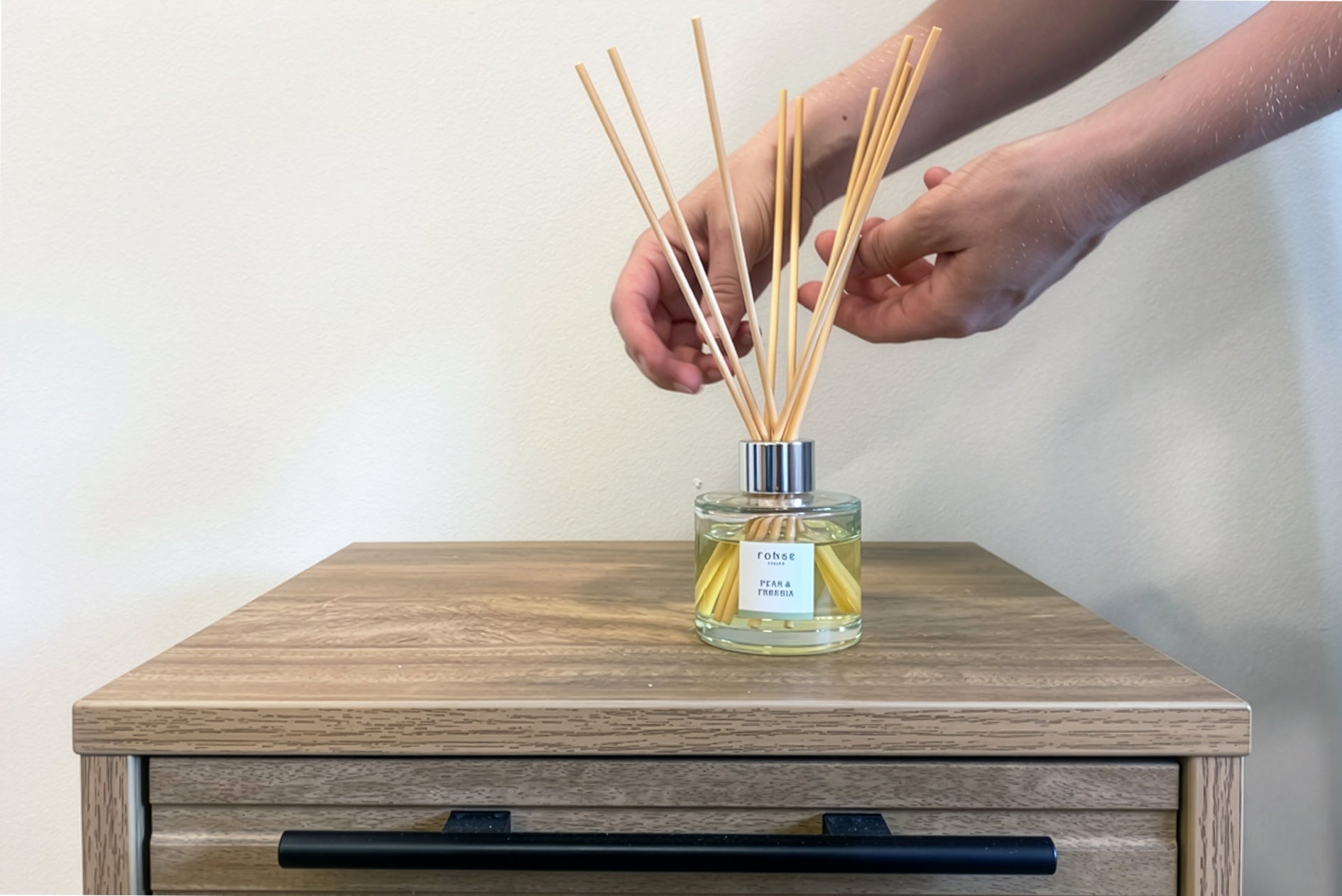
All our wax melts are made by hand in Warwickshire in a natural soy and rapeseed blend, with allergen information on every listing: browse the collection. Diffuser household too? Cats have their own guide for those as well: Are Reed Diffusers Safe for Cats? And for the dogs: Are Wax Melts Safe for Dogs?

Comments