
The Influence of Minimalism on 2026 Interior Design Developments
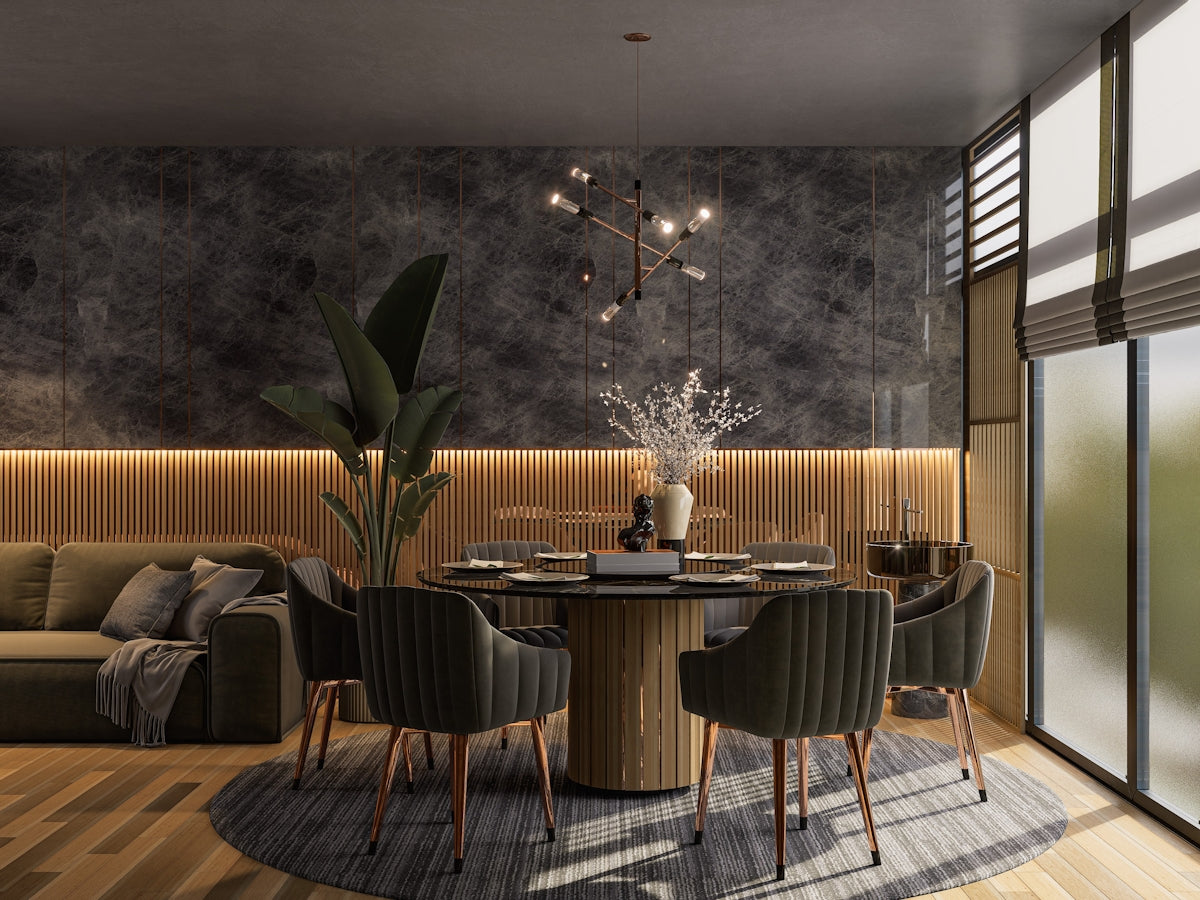
In the world of interior design, minimalism has always held a timeless appeal. As we look towards 2026, this enduring design philosophy continues to permeate the evolving trends, influencing how we perceive and create our living spaces. This year is set to witness an intriguing confluence of minimalism with cutting-edge innovations and materials, reshaping design sensibilities for the future.
Table of Contents
- Table of Contents
- Minimalism Meets Modern Technology
- The Design Trends of 2026
- Innovative Materials on the Horizon
- FAQs
Minimalism Meets Modern Technology
In 2026, the integration of smart technology into our homes is one of the most exciting developments influenced by minimalist principles. This convergence creates spaces that are not only aesthetically pleasing but also highly functional. The seamless incorporation of intelligent systems into minimalist designs allows for a clutter-free environment, where technology is not merely an add-on but an intrinsic part of the living experience.
If you're interested in how smart technology is set to revolutionise interiors this year, you can explore more in this article: Understanding Smart Technology in 2026 Interior Design.
The Design Trends of 2026
Minimalism in 2026 is not just about stripping down to the bare essentials. It's about making thoughtful choices that enhance the quality of life. This approach manifests in design trends that emphasise sustainability, functionality, and a deep appreciation for space and light. The clean lines, neutral palettes, and an emphasis on natural materials common to minimalism are set to be defining traits in this year's interiors.
To delve deeper into this year's design trends, read 2026 Design Trends That Will Define Your Living Space.
Innovative Materials on the Horizon
Materials play a crucial role in minimalist design, focusing on quality, texture, and environmental impact. In 2026, we're seeing groundbreaking materials emerging that align perfectly with minimalist ideals. These innovative materials provide designers more flexibility and creativity in crafting spaces that are not only beautiful but also sustainable and resilient.
For an insight into how new materials are shaping design trends, check out Innovative Materials Shaping Interior Design Trends of 2026.
In conclusion, the influence of minimalism on 2026 interior design developments is profound, redefining how we live and interact with our spaces. For those looking to explore further or seek inspiration for their own homes, you can visit the Fossé Living website to discover more about minimalist interior design. Visit Fossé Living
FAQs
What is minimalism in interior design?
Minimalism in interior design is a style that embraces simplicity and functionality. It focuses on the use of clean lines, a limited colour palette, and a decluttered space, creating an environment that feels open and serene.
How is minimalism expected to influence interior design in 2026?
By 2026, minimalism is likely to further inspire interior design trends, promoting sustainable materials, multifunctional furniture, and a focus on well-being. The concept of 'less is more' will continue to encourage designers to create calm, purposeful spaces.
What are some key features of minimalist interior design?
Key features include neutral colour schemes, simple furniture designs, a lack of unnecessary décor, and an emphasis on natural light. Additionally, minimalism often incorporates open floor plans to create an airy and spacious feel.
Why is minimalism becoming more popular in modern interior design?
Minimalism is gaining popularity due to its ability to create peaceful living environments amidst the chaos of modern life. As people seek to simplify their lives, minimalism offers a solution that promotes clarity and focus.
How can someone start incorporating minimalism into their home?
To start incorporating minimalism, individuals can begin by decluttering their spaces, choosing a few meaningful decorative items, and opting for furniture that serves multiple purposes. Starting with one room and gradually introducing minimalist principles can make the transition easier.
Is minimalism suitable for all types of homes?
Yes, minimalism can be adapted to fit various styles of homes, from contemporary flats to traditional houses. The essence of minimalism lies in its adaptability and focus on functionality, making it a versatile choice for any living space.
What are the benefits of minimalistic interior design?
The benefits of minimalistic design include reduced stress due to a clutter-free environment, improved focus and productivity, and easier maintenance. It also encourages a more mindful approach to possessions and can contribute to sustainability.
Are there any challenges to adopting a minimalist approach?
One challenge is the difficulty some may have in letting go of sentimental items or accumulating belongings over time. Additionally, finding a balance between minimalism and personal expression can be tricky but is essential for creating a home that feels comfortable.
How can technology be integrated into a minimalist design?
Technology in minimalist design can be seamlessly integrated through smart home devices that add functionality without clutter. Choosing sleek, unobtrusive gadgets and focusing on wireless solutions can help maintain the clean aesthetic of minimalism.


Comments