
Innovative Materials Shaping Interior Design Trends of 2026
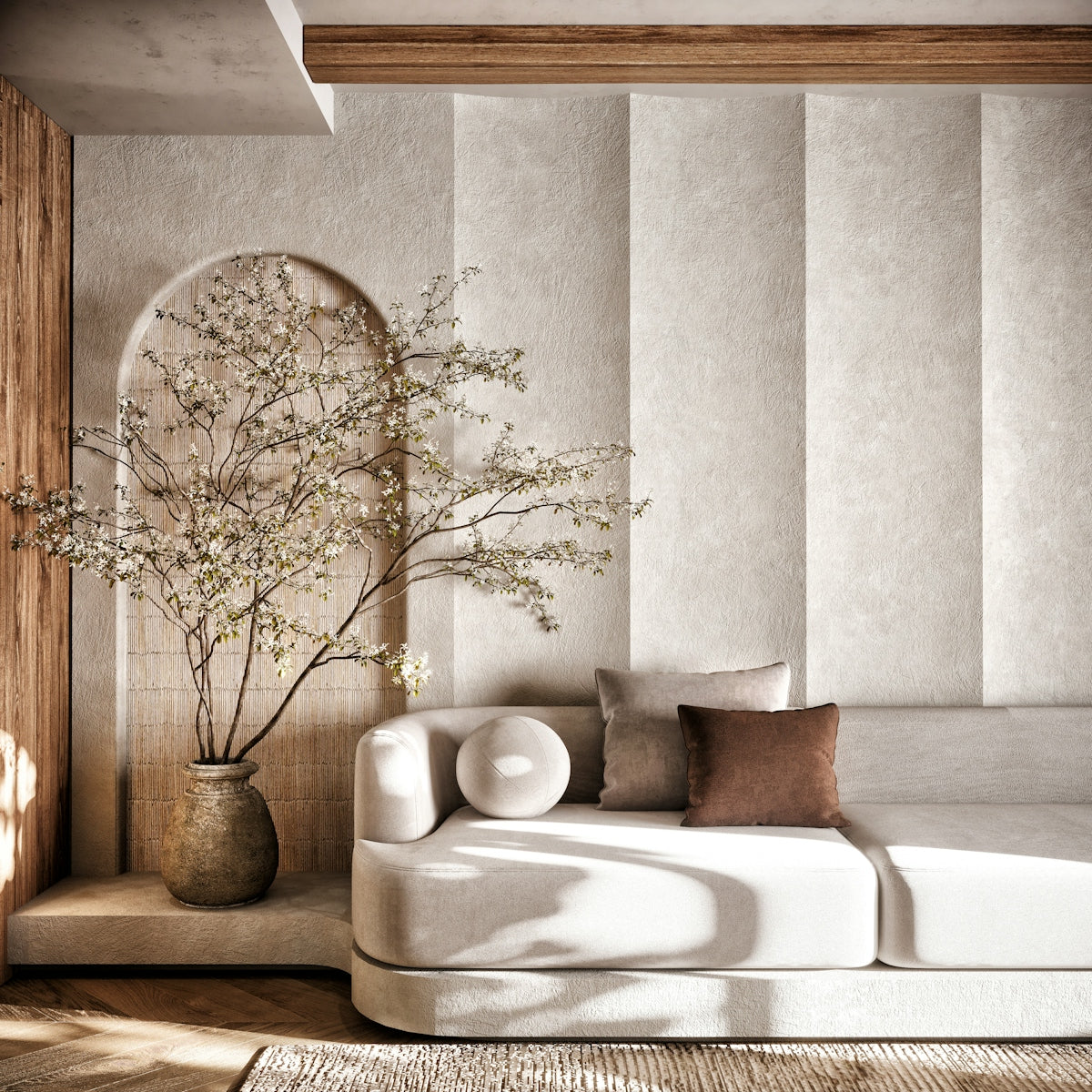
In the ever-evolving world of interior design, staying ahead of the curve is essential. As we look towards 2026, the introduction of innovative materials is poised to redefine the design landscape, creating fresh, sustainable, and aesthetically pleasing environments. Here, we explore the materials making a significant impact on design trends of 2026 and how they are transforming our spaces.
Table of Contents
- Table of Contents
- Sustainable Material Innovations
- The Rise of Smart Materials
- Aesthetic and Functionality in Harmony
- Looking Forward
- FAQs
Sustainable Material Innovations
As environmental concerns continue to influence interior design, the use of sustainable materials is becoming increasingly central to new projects. In 2026, we can expect to see an even greater emphasis on eco-friendly resources. This includes materials like recycled metals, reclaimed wood, and biodegradable composites, which not only reduce the carbon footprint but also add unique textures and stories to interiors.
For more on these emerging eco-friendly practices, delve into The Next Big Shifts in 2026 Interior Design You Should Know, where future-forward approaches are considered.
The Rise of Smart Materials
Technology continues to integrate seamlessly into the design sphere, with smart materials playing a pivotal role in this transformation. Innovative materials that respond to environmental stimuli and adapt to changes in temperature, light, or humidity are being developed at a rapid pace. These materials are not only functional but also enhance the user experience, creating dynamic living spaces that cater to the evolving needs of inhabitants.
Visit Tackling Design Challenges with Emerging Trends of Interior Design 2026 for insights into how these smart materials are overcoming traditional design challenges.
Aesthetic and Functionality in Harmony
A balanced approach between aesthetic appeal and functionality is a key factor driving the interior design trends of 2026. Materials that offer flexibility in customization, such as modular textiles and adaptable surfaces, allow designers to create versatile and personalised spaces. These materials speak to a design philosophy where beauty does not compromise utility.
Explore Discovering Unique Interior Design Concepts for 2026 to find out more about how individual preferences are being met with innovative materials and designs.
Looking Forward
As we embrace the new horizons of interior design in 2026, the incorporation of innovative materials will be a driving force behind future trends. These advancements not only satisfy the demand for sustainable and smart living solutions but also provide endless possibilities for creativity and personalization.
For more insights and updates on the latest in interior design, visit Fosse Living.
Stay tuned as we continue to explore how emerging materials will shape the future of our interiors, creating homes and spaces that are not only beautiful but also responsible and intelligent.
FAQs
What are some innovative materials that are expected to shape interior design trends in 2026?
Materials such as biocomposites, recycled metals, and eco-friendly textiles are anticipated to play a significant role in 2026. These materials not only offer sustainability but also allow for unique aesthetics and functionality in design.
How can biophilic design influence the choice of materials in 2026?
Biophilic design emphasises the connection between humans and nature, leading designers to select materials that evoke natural environments. This can include reclaimed wood, stone, and organic fabrics that enhance aesthetic appeal and promote well-being.
Why is sustainability important in the interior design trends of 2026?
Sustainability is crucial as consumers become increasingly eco-conscious. By prioritising sustainable materials, designers can reduce the environmental impact of their projects while also catering to a market that values ethical practices and long-lasting products.
What role does technology play in developing new interior design materials?
Technological advancements are driving innovation in materials, such as smart textiles that change properties based on environmental conditions and 3D printed materials that allow for custom shapes and designs. These developments are set to transform interior spaces in exciting ways.
How can I integrate innovative materials into my home decor?
Integrating innovative materials into home decor can be done through small accent pieces like furniture, artwork, or accessories crafted from unique materials. Starting with a statement piece can inspire a cohesive design throughout the space.
Are there specific colours associated with the innovative materials trend in 2026?
Yes, colours are expected to reflect natural elements, with earthy tones, muted greens, and organic hues gaining popularity. These colours complement innovative materials, enhancing the overall aesthetic of interior spaces.
What benefits do recycled materials offer in interior design?
Recycled materials offer numerous benefits, including lower environmental impact, unique textures and patterns, and often reduced cost compared to new materials. They also allow homeowners to make socially responsible choices without compromising on style.
Can we expect traditional materials to remain relevant in 2026?
Absolutely, traditional materials like wood and stone will continue to play a role in interior design. However, they will be featured alongside innovative materials to create a harmonious blend of the old and new, offering both timeless appeal and modern functionality.
How might innovative materials affect furniture design in 2026?
Furniture design in 2026 is expected to embrace innovative materials that offer versatility, durability, and unique aesthetics. This could result in multifunctional pieces that adapt to various spaces while highlighting sustainability and craftsmanship.



Comments