
Step by Step Guide to Mastering Interior Design in 2025
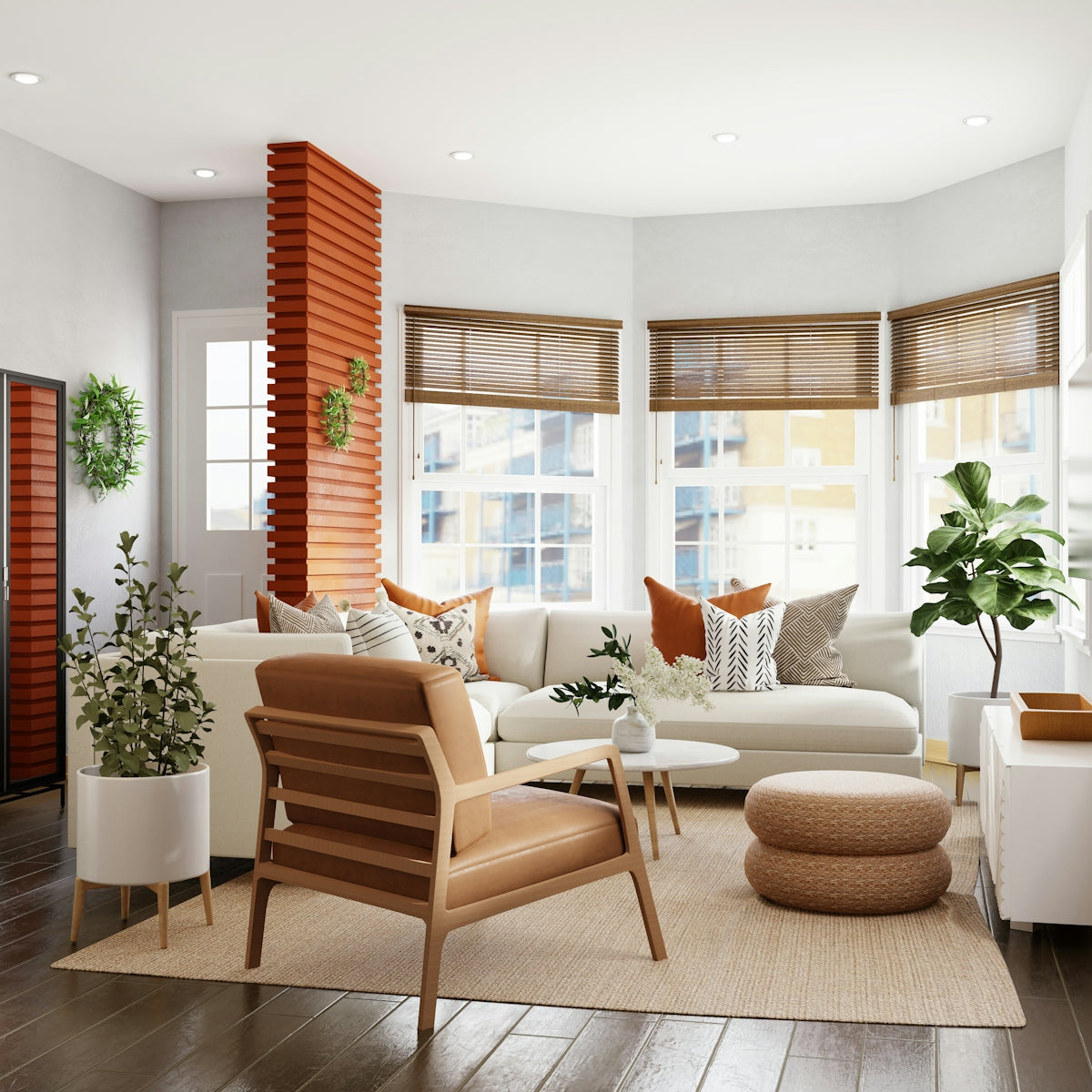
As we move into the exciting world of interior design in 2025, it's essential to stay ahead of the evolving trends that are shaping our living spaces. Whether you are a novice looking to refresh your space or an experienced designer seeking to refine your craft, understanding the upcoming design trends of 2026 can provide a strategic pathway to success. This guide will step you through the journey of mastering interior design as we anticipate the design-forward years ahead.
Table of Contents
- Table of Contents
- 1. Understanding the Current Trends
- 2. Acquire Educational Insights
- 3. Addressing Design Challenges
- 4. Looking Ahead to 2026
- Conclusion
- FAQs
1. Understanding the Current Trends
To master interior design in 2025, it's crucial to grasp the trajectory of current trends as they evolve. The article Tracking the Evolution of Interior Design Trends Into 2025 provides a comprehensive overview of how design elements are shifting and what to expect as we approach 2026. This is a fantastic starting point to immerse yourself in styles and concepts that are gaining momentum in the industry.
2. Acquire Educational Insights
Deepening your understanding is always a wise strategy. Delve into resources that offer insights into the design landscape of 2025. The Educational Insights into the 2025 Interior Design Scene article is packed with valuable information to bolster your knowledge and ensure that you're up-to-date with the latest advancements and themes permeating the interior design sphere.
3. Addressing Design Challenges
Mastery involves not only embracing new trends but also overcoming design challenges. As you adopt forthcoming trends, you may encounter challenges that require innovative solutions. Explore how to tackle these hurdles by reading the article Solving Interior Design Challenges with 2025 Trends. This will equip you with practical strategies to navigate and implement the dynamic trends of 2025 seamlessly.
4. Looking Ahead to 2026
While it's important to stay rooted in 2025's design landscape, peering into the future helps sharpen your vision. As we anticipate the design trends of 2026, stay flexible and open-minded. The theme of sustainability will likely continue, with a greater emphasis on eco-friendly materials and smart-home functionalities. Being proactive now will set the foundation for your design journey into 2026 and beyond.
Conclusion
Mastering interior design in 2025 is an exciting ongoing process that blends creativity with strategic foresight. By understanding current trends, drawing from educational insights, and proactively solving challenges, you'll be well-prepared for the design evolutions that 2026 will bring. For more inspiration and resources, visit Fosse Living for a wealth of ideas and expert advice.
Embrace the design journey and watch your creative spaces flourish as you step confidently into the future of interior design.
FAQs
What are the key interior design trends to watch for in 2025?
The interior design trends in 2025 focus on sustainability, biophilic design, and technology integration. Expect to see an emphasis on natural materials, open spaces that incorporate greenery, and smart home features that enhance both functionality and aesthetics.
How do I start my interior design project?
Begin by defining your personal style and the purpose of the space. Take measurements, create a mood board for inspiration, and set a budget. This will give you a clear direction and help you make informed decisions throughout the design process.
What role does colour play in interior design?
Colour significantly impacts mood and perception of space. In 2025, expect to see a preference for earthy tones paired with vibrant accents. Understanding colour theory can help you create harmonious palettes that reflect your style and enhance the atmosphere of the room.
How can I incorporate technology into my interior design?
Smart technology can elevate your interior design by combining functionality with aesthetics. Consider integrating smart lighting, automated curtains, and voice-activated systems. Ensure that the technology complements your design rather than overshadowing it.
What are some tips for designing small spaces?
In small spaces, opt for multifunctional furniture, use mirrors to create an illusion of depth, and choose a light colour palette to make the area feel more open. Vertical storage solutions can also maximise space without compromising style.
How important is lighting in interior design?
Lighting is crucial as it sets the mood and highlights key features of your space. Layering different types of lighting—ambient, task, and accent—can create depth and enhance the overall aesthetic. In 2025, energy-efficient and smart lighting solutions will be increasingly popular.
What should I consider when choosing furniture?
Prioritise quality, comfort, and style when selecting furniture. Ensure that the pieces you choose complement your overall design theme and fit within the proportions of your space. Additionally, consider sustainable materials and craftsmanship.
How can I personalise my interior design?
Personalising your space can be done through art, family photographs, and meaningful decor items. Incorporate unique accessories that reflect your interests and experiences, making your home a true representation of your personality.
Is hiring a professional interior designer worth it?
Hiring a professional can offer valuable insights and save time, especially if you have a larger project or specific challenges. A designer can bring expertise in space planning and access to resources, helping you achieve a cohesive and functional design efficiently.



Comments