
Tracking the Evolution of Interior Design Trends Into 2025
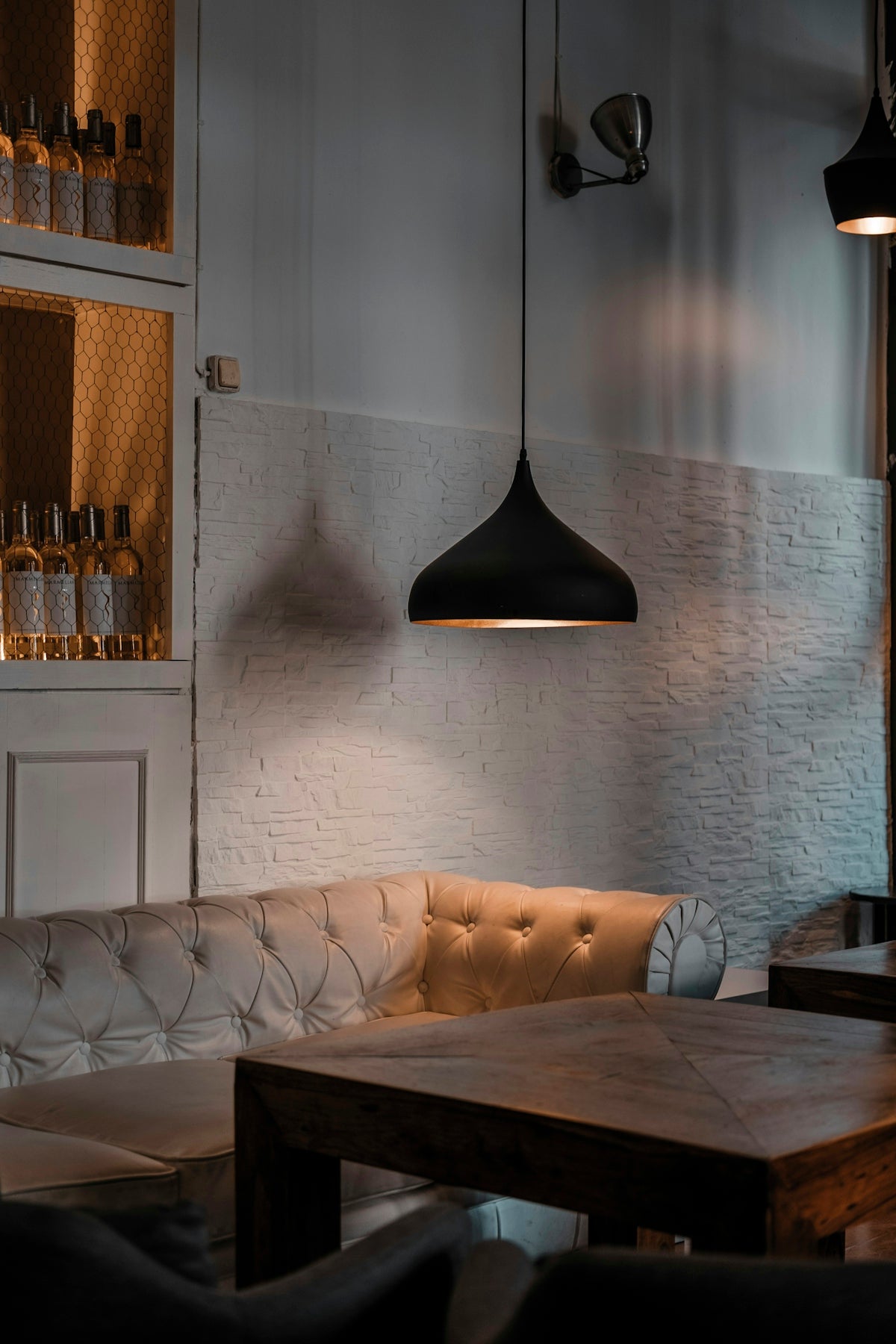
As we edge closer to 2026, the world of interior design continues its inevitable evolution, shaped by cultural shifts, technological advancements, and changing societal values. Whether you're an experienced designer or someone transforming their own space, keeping abreast of these evolving trends is essential. In this article, we explore the current trends leading up to 2025 and look ahead to anticipate what's poised to influence the design trends of 2026.
Table of Contents
- Table of Contents
- The Current Landscape of Interior Design
- Navigating 2025 Interior Design Trends
- Looking Ahead to 2026
- Sustainability Still Dominant
- Technological Integration
- Personalisation & Versatility
- Conclusion
- FAQs
The Current Landscape of Interior Design
As highlighted in our Educational Insights into the 2025 Interior Design Scene, the current interior design terrain is deeply integrated with eco-conscious choices and smart home technology. The pandemic's global impact has also led to a resurgence in biophilic design, reflecting the human desire to bring the outdoors inside.
Navigating 2025 Interior Design Trends
Natural materials, sustainable design, and minimalistic approaches are reigning supreme in 2025, showcasing a shift towards environmentally responsible and aesthetically soothing spaces. To explore practical applications of these trends, have a look at our guide on Solving Interior Design Challenges with 2025 Trends.
Looking Ahead to 2026
So, what’s on the horizon for the design trends of 2026?
Sustainability Still Dominant
Sustainability is expected to remain a core pillar as designers increasingly opt for materials and processes that are kind to our planet. Expect innovations in reusing and adapting furniture and thorough exploration in the circular economy.
Technological Integration
Smart home technology is set to become even more intuitive, seamlessly blending into our design aesthetics. Designers are likely to craft spaces that foster connected living, while maintaining their visual appeal.
Personalisation & Versatility
2026 will probably see a higher demand for highly personalised spaces tailored to individual preferences and multi-functional designs that adapt as per the need, reflecting a more nuanced understanding of ‘home’.
Conclusion
The trajectory of interior design is one of continuous transformation, mirroring our evolving lifestyles and values. As we look forward to another year of innovation, Fossé Living remains committed to providing you with the insights you need to create inspiring interiors. For further details, you can explore our informative Frequently Asked Questions about Interior Design in 2025.
To explore more about how Fossé Living can guide you through this journey of transformation, visit Fossé Living.
FAQs
What are the key interior design trends expected for 2025?
Experts predict that sustainability, biophilic design, and multifunctional spaces will dominate interior design trends in 2025. Additionally, a focus on technology integration and bold colour choices are anticipated to shape residential and commercial spaces.
How has the pandemic influenced interior design trends?
The pandemic has led to a greater emphasis on home comfort and functionality. As people spent more time at home, trends shifted towards creating relaxing and versatile spaces, incorporating elements that promote well-being, such as natural light and plants.
What role do sustainable materials play in upcoming design trends?
Sustainable materials are becoming increasingly important as consumers look for eco-friendly options. Designers are focusing on sourcing responsibly and using materials such as reclaimed wood, recycled metals, and organic textiles to reduce environmental impact and promote sustainability.
How can I incorporate trends into my home without a full renovation?
Incorporating trends can be achieved through smaller updates, such as adding trendy decor items, re-arranging furniture for improved flow, or using paint to refresh walls. Accessories like cushions, rugs, and artworks can provide an easy way to introduce current trends.
Are there specific colour palettes to look out for in 2025?
Colour palettes for 2025 are likely to feature earthy tones and rich, bold hues, reflecting a desire for warmth and connection to nature. Expect shades like terracotta, deep greens, and muted blues to emerge alongside unexpected colour combinations to create unique and expressive spaces.
What is biophilic design and why is it popular?
Biophilic design focuses on connecting interior spaces with nature. It has gained popularity due to its benefits for mental health and well-being. This design approach often incorporates natural light, greenery, and organic shapes, making spaces feel more serene and inviting.
How can technology be integrated into interior design in the coming years?
Technology integration is likely to become seamless, with smart home devices and automation playing a critical role. Future designs will feature smart lighting, climate control systems, and innovative home entertainment setups that enhance convenience and sustainability.
What should I consider when choosing furniture to match future trends?
When selecting furniture, focus on quality, versatility, and aesthetics. Look for timeless pieces with sustainable materials that can adapt to changing trends. Choose multifunctional items that serve multiple purposes, catering to the increasing demand for flexible living spaces.
Will any particular design styles become more prominent by 2025?
Design styles such as minimalism, Scandinavian comfort, and modern organic are expected to continue gaining popularity. These styles emphasis simplicity, functionality, and a connection to nature, aligning with the overall trend towards sustainable and serene living environments.



Comments