
Maximising Space with 2026 Interior Design Techniques

Our homes are our sanctuaries, and making the most of every square inch is more crucial than ever. The design trends of 2026 are set to revolutionise the way we experience and utilise our living spaces, focusing on efficiency without compromising on style. Let's delve into the interior design techniques that promise to maximise space and transform our homes in the coming years.
Table of Contents
- Table of Contents
- Embrace Minimalism
- Multi-Functional Furniture
- Accent Features for Depth and Character
- Technology-Infused Living
- Sustainable Materials
- Space-Enhancing Colour Palettes
- FAQs
Embrace Minimalism
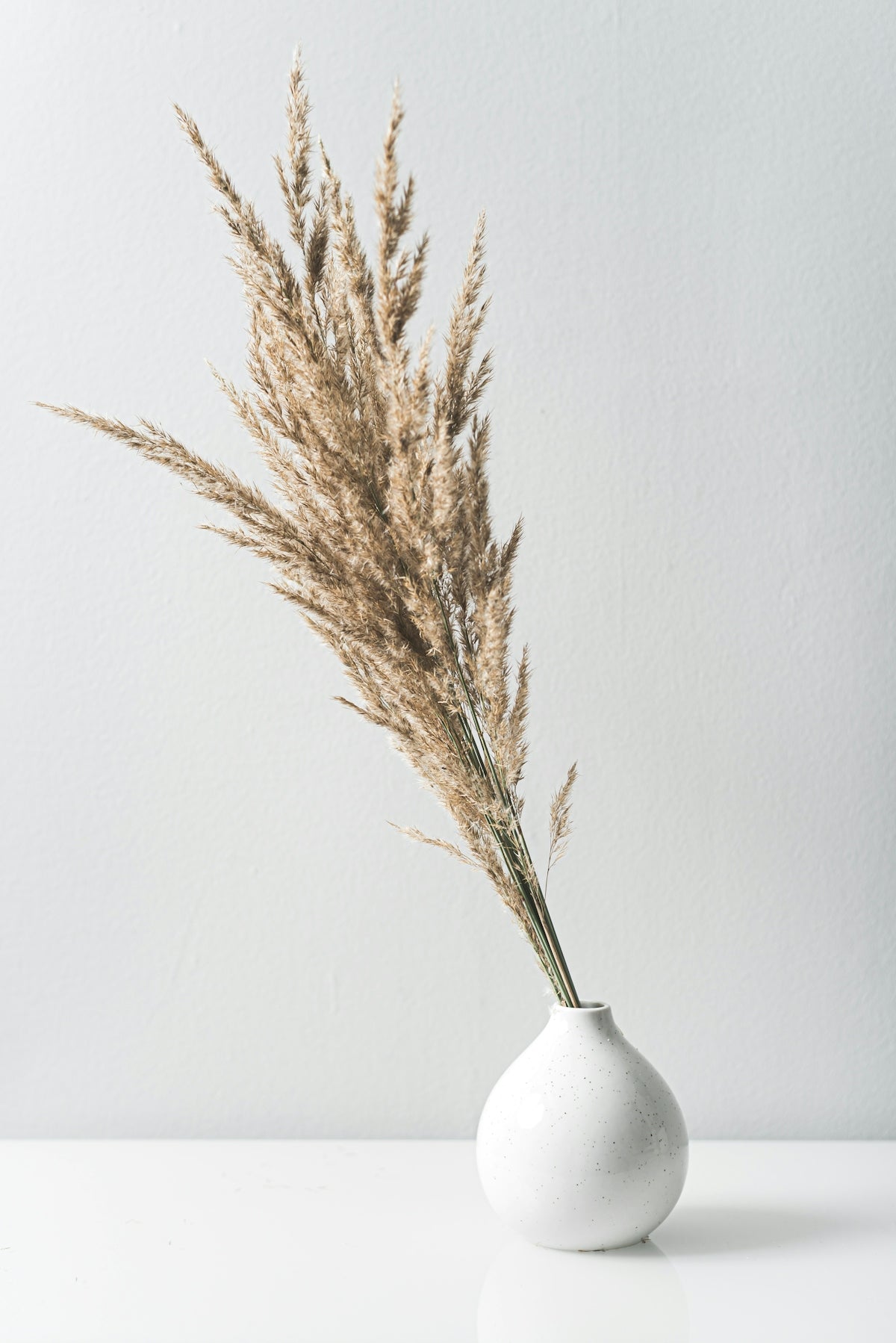
One of the most significant influences in the realm of interior design is minimalism. In 2026, this trend continues to guide design decisions, focusing on clean lines, functional furniture, and clutter-free environments. By reducing unnecessary items and choosing pieces with multiple functionalities, homeowners can create more open and breathable spaces. Explore more about how minimalism shapes design here.
Multi-Functional Furniture
Furniture design in 2026 is all about adaptability. Multi-functional pieces, such as a sofa that converts into a guest bed or a dining table that doubles as a workstation, are gaining popularity. These versatile designs cater to the needs of modern living, where every bit of space must serve a purpose.
Accent Features for Depth and Character
The new decade brings a surge of interest in accent features that add depth and character to interiors. Whether it's a statement wall, bold lighting fixtures, or art pieces that draw the eye, these elements are crucial for adding personality to your home without overcrowding it. Learn more about how accent features are leading design trends here.
Technology-Infused Living
Smart home technology is seamlessly integrating with interior design, offering solutions that free up space and enhance convenience. From hidden charging stations to automated lighting systems, the design trends of 2026 encourage a tech-savvy approach to living. These innovations not only save space but also elevate the functionality of modern homes.
Sustainable Materials
Sustainability remains at the forefront of interior design innovations. Choosing materials that are eco-friendly and have a smaller environmental footprint is not only a responsible choice but also adds a unique texture and aesthetic to your space. Reclaimed wood, recycled metals, and sustainably sourced fabrics are being widely used in 2026 to decorate environmentally conscious homes.
Space-Enhancing Colour Palettes
The colour palettes of 2026 are all about creating the illusion of more space. Light, airy hues, alongside strategic accent colours, can make rooms feel larger and more open. This subtle trick not only enhances the spatial perception but also reflects the calming aspect of minimalistic design.
For those eager to learn more about the future of interior design, we invite you to explore our 2026 Interior Design Trend Forecasting article, which dives deeper into what we can expect in the years to come.
Discover more about our design philosophy, products, and services at Fosse Living.
FAQs
What are the key principles of 2026 interior design techniques for maximising space?
The key principles include using multifunctional furniture, implementing open floor plans, incorporating vertical storage solutions, and utilising light colours and mirrors to create an illusion of space.
How can multifunctional furniture help in maximizing space?
Multifunctional furniture, such as sofa beds or expandable tables, allows you to use one piece for multiple purposes, reducing clutter and creating a more open environment while making the most of the available area.
What are some effective vertical storage solutions to consider?
Consider floating shelves, tall bookcases, and wall-mounted cabinets. These options draw the eye upward and utilise otherwise unused wall space, allowing for efficient storage without taking up floor space.
How does an open floor plan contribute to maximising space?
An open floor plan creates a seamless flow between rooms, making small areas feel larger and more inviting. This design choice reduces the need for unnecessary walls, enhancing accessibility and natural light.
How can I use light colours to make a room feel more spacious?
Light colours, such as soft whites, pastel shades, or light greys, reflect natural light and can make a room appear airier. Painting walls and ceilings in these hues will help to visually enlarge the space.
What role do mirrors play in maximising space?
Mirrors can create an illusion of depth and help to brighten up a room by reflecting light. Strategically placing mirrors can make a small space feel larger and more open.
Are there specific design elements that should be avoided when trying to maximise space?
Yes, avoid heavy, oversized furniture, dark colour schemes, and excessive decorations, as these can make spaces feel cramped and cluttered. Stick to a minimalistic approach for a more open appearance.
How often should I reassess my interior design to ensure I'm maximising my space effectively?
It's beneficial to reassess your interior design every couple of years or whenever you acquire new furniture or change your needs. This ensures that your space remains functional and optimally utilised.
Can plants be incorporated into a space-maximising design?
Absolutely! Incorporating plants can enhance aesthetics and improve air quality, but choose smaller varieties or vertical planters to avoid overwhelming the space while still bringing in the benefits of greenery.


Comments