
2026 Interior Design Trend Forecasting: What to Expect
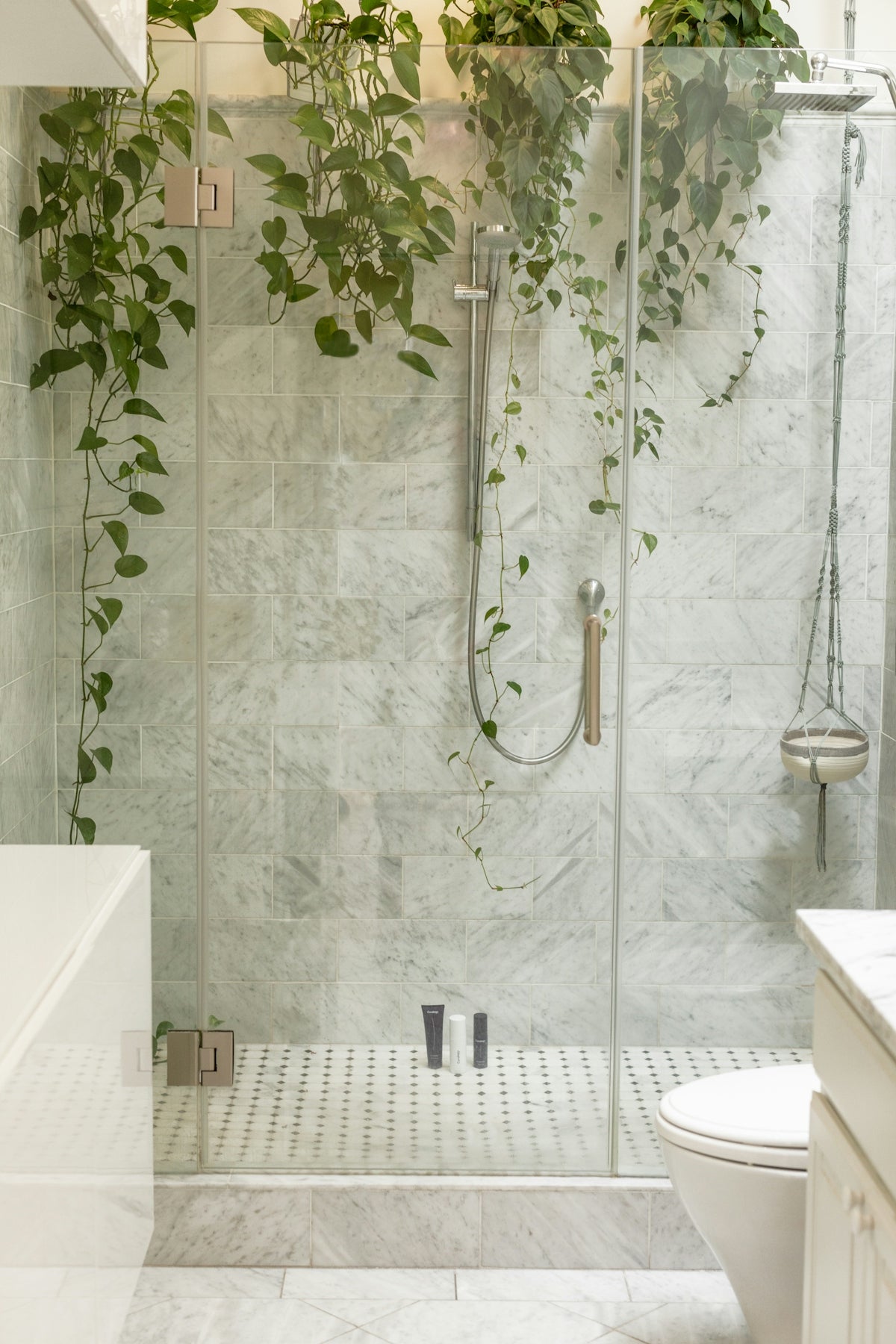
As we venture into the realm of 2026, the landscape of interior design appears more intriguing and dynamic than ever. This year promises a symphony of tradition meeting innovation, where functional spaces marry aesthetics, and sustainability weaves effortlessly into our homes. Let's delve into the design trends that 2026 holds for us.
Table of Contents
- Table of Contents
- The Continued Influence of Minimalism
- Embracing Smart Technology
- Sustainability at the Core
- Farewell to Boundaries: Fluid Living Spaces
- Conclusion
- FAQs
The Continued Influence of Minimalism
Minimalism has long been a guiding principle in interior design, and in 2026, it continues to shape our spaces. The movement towards simpler, clutter-free environments persists, wedded with a focus on quality over quantity. Minimalistic spaces invite serenity and mindfulness into homes, a haven from the overstimulation of the external world.
For a deep dive into how minimalism will affect the design trends of 2026, have a look at our article The Influence of Minimalism on 2026 Interior Design Developments.
Embracing Smart Technology
Technology is now an integral element of our living spaces, and 2026 sees it becoming even more embedded in our homes. Smart devices that enhance convenience while being unobtrusive are at the forefront. Imagine a home that anticipates your needs; from lighting to temperature, every element is intuitively controlled to create an optimal living environment.
Discover more about integrating smart technology into your interior design by visiting Understanding Smart Technology in 2026 Interior Design.
Sustainability at the Core
Sustainable design maintains its essential position in 2026, drawing attention to eco-friendly materials and practices. Homeowners are increasingly aware of their ecological footprint and are making conscious choices to reduce it. This trend promotes using renewable resources and upcycling to create beautiful, sustainable living areas.
Farewell to Boundaries: Fluid Living Spaces
The concept of fluid living spaces marks another significant trend for 2026. The traditional boundaries of home design are blurring, with open-plan layouts fostering connection and flexibility. This adaptability extends to multifunctional furniture that caters to evolving space needs.
For more insights into how these trends will transform your living spaces, read 2026 Design Trends That Will Define Your Living Space.
Conclusion
As we look forward to the design trends of 2026, it's clear that our homes are reflecting broader societal shifts towards mindfulness, sustainability, and technological integration. These trends not only enhance our living environments but also enrich our daily experiences.
For more inspiration and the latest in interior design, explore our website here.
FAQs
What are the key design elements expected to dominate in 2026?
In 2026, we anticipate a strong focus on sustainability, biophilic design elements, and a blend of vintage and modern aesthetics. Natural materials such as wood and stone will be paired with innovative, eco-friendly alternatives to create spaces that are both stylish and sustainable.
How will colour palettes evolve in 2026?
Colour palettes in 2026 are expected to shift towards earthy tones and soothing hues that inspire calmness, such as terracotta, deep greens, and muted pastels. Accent colours might include vibrant jewel tones and metallics, adding depth and personality to interiors.
Will technology play a significant role in interior design for 2026?
Absolutely, technology will continue to transform interior design, with smart home systems and integrated technology becoming commonplace. Expect to see more seamless connectivity and automation in lighting, heating, and security systems, enhancing the functionality and comfort of living spaces.
How can I incorporate biophilic design into my home?
To embrace biophilic design, consider introducing indoor plants, maximising natural light, and using organic shapes and materials in your decor. Elements like living walls, water features, and nature-inspired artwork can also enhance your space's connection to the outdoors.
What trends should be avoided in 2026?
While trends are subjective, in 2026, it may be wise to steer clear of overly minimalist designs that lack warmth or personality. Following trends too rigidly can lead to spaces that feel cold and uninviting; instead, balance is key, with a focus on individuality and comfort.
How important is sustainability in 2026 interior design?
Sustainability will be a cornerstone of interior design in 2026. Consumers are increasingly prioritising eco-friendly materials, energy-efficient designs, and sustainable practices. Designers will need to consider the environmental impact of their choices, leading to more responsible sourcing and design decisions.
Are there specific materials that will trend in 2026?
Yes, expect to see a rise in the use of natural and recycled materials, such as reclaimed wood, bamboo, and recycled metals. Additionally, innovative materials like bio-composites and sustainable textiles are likely to gain popularity, making interiors both beautiful and environmentally friendly.
What role does personalisation play in the 2026 design landscape?
Personalisation will be crucial, with people increasingly seeking unique designs that reflect their identity and lifestyle. Customisation of furniture, colours, and accessories that tell a story will be a significant focus, allowing homeowners to curate spaces that feel genuinely theirs.
How can I stay ahead of the trends for 2026?
To stay ahead of the trends, regularly explore design blogs, social media platforms, and design exhibitions. Engaging with communities and forums makes it easier to share ideas and gain inspiration, ensuring you remain informed about emerging trends and innovations.

Comments