
Embracing Nature: How to Use Biophilic Design in Home Decor
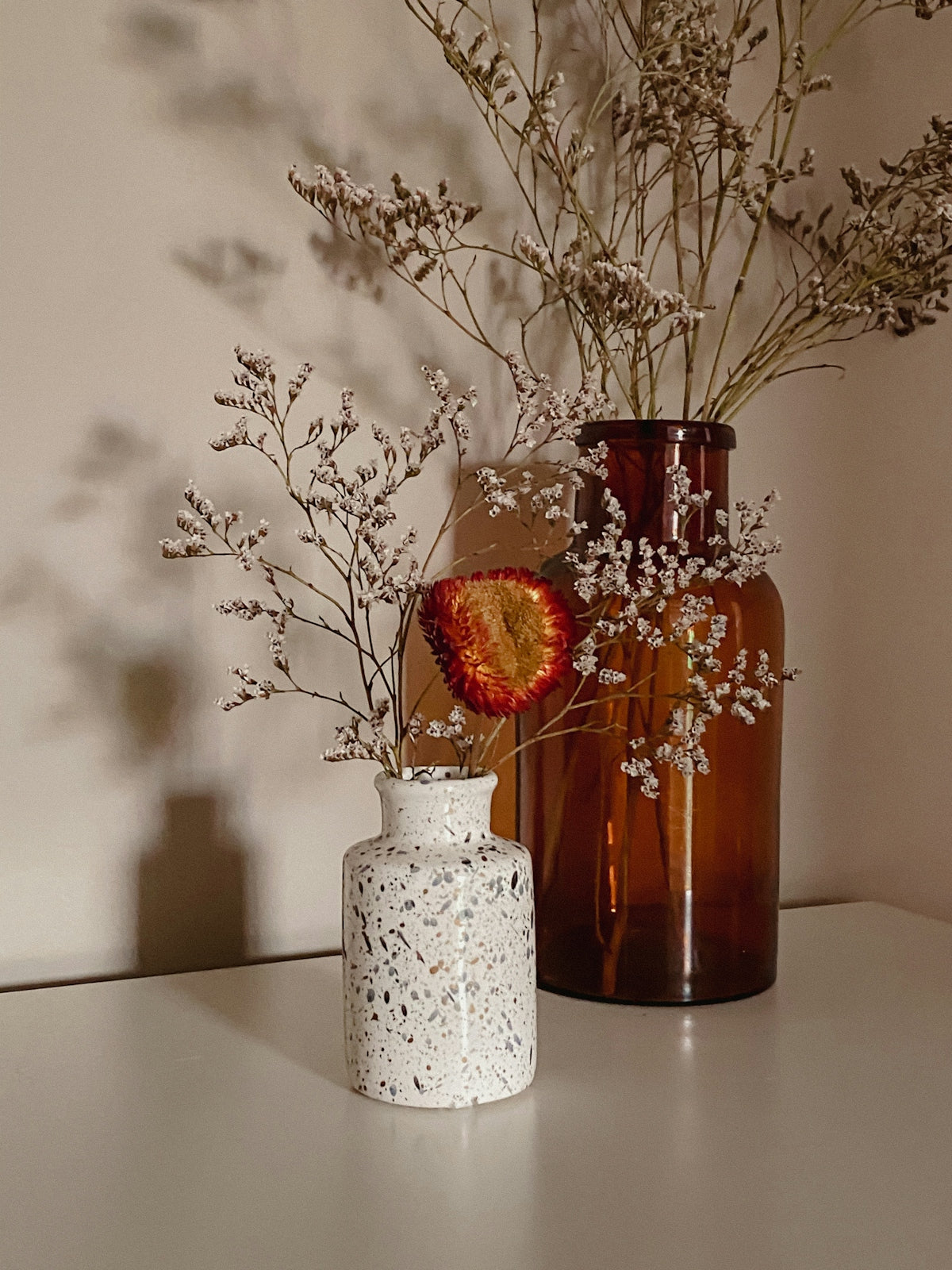
In today's fast-paced world, many of us are seeking a deeper connection to nature within our daily environments. Biophilic design, which emphasises the integration of natural elements into our spaces, offers a wonderful way to foster that connection right in our own homes. Here's how you can embrace nature in your home decor and enhance your living space with biophilic principles.
Table of Contents
- Table of Contents
- What Is Biophilic Design?
- Bringing Nature Indoors
- Natural Light and Fresh Air
- Home Decor with Natural Elements
- Greenery as a Natural Accentuator
- Creating Multi-sensory Experiences
- Seeing Nature in New Lights
- FAQs
What Is Biophilic Design?
Biophilic design is all about bringing the outside in. This approach involves the incorporation of natural materials, daylight, vegetation, and even natural acoustics to create environments that improve our overall well-being. By embracing biophilic design, your home can become a sanctuary that nurtures both mind and body.
Bringing Nature Indoors
Natural Light and Fresh Air
One of the simplest ways to incorporate biophilic design is by maximising natural light and airflow in your home. Open those curtains, re-position furniture to let in more light, and if possible, use windows that open to let in fresh air. These small changes can make a world of difference in how your home feels.
Home Decor with Natural Elements
Aim to incorporate materials like wood, stone, and natural fibres into your home decor. These not only add an earth-tone aesthetic but also create tactile interactions that connect us to nature. Explore how traditional craftsmanship can influence modern decor and enrich your spaces with originality and warmth.
Greenery as a Natural Accentuator
Consider adding plants to your home decor as they are both beautiful and beneficial. They can improve air quality and add a vibrant touch to your interiors. Whether it's a large potted plant in the living room or a collection of herbs in the kitchen, a touch of greenery can bring life to any space.
Creating Multi-sensory Experiences
To fully harness the potential of biophilic design, think about how all your senses interact with your space. Smell, often overlooked, plays a vital role in creating an enticing home atmosphere. Integrating home fragrances can enhance your decor theme, bringing cohesion and a sense of calm to your space. Discover the power of compatible fragrances in modern interiors, and learn how scents can weave into the fabric of your home environment.
Seeing Nature in New Lights
Biophilic design also encourages us to see the familiar in new, inspiring ways. Vintage influences can seamlessly blend with contemporary biophilic elements, creating spaces that are both nostalgic and innovative—constantly refreshing our perspective on home design.
By integrating biophilic design elements into your home decor, you not only enhance your living environment but also cultivate a space that promotes well-being and harmony. Whether you're just stepping into the world of biophilic design or looking to refine your approach, these tips can help you create that tranquil retreat you desire.
For more inspiration on home decor and how to transform your space, visit Fosse Living.
FAQs
What is biophilic design?
Biophilic design is an approach that seeks to connect our living spaces with nature. It incorporates natural elements, materials, and light to promote well-being, reduce stress, and enhance overall quality of life within our homes.
How can I incorporate biophilic design in my home?
You can incorporate biophilic design by adding indoor plants, using natural materials like wood and stone, maximizing natural light, and creating views of nature through windows or outdoor spaces.
What types of plants are best for biophilic design?
Some great options for biophilic design include low-maintenance plants like snake plants, pothos, and spider plants. These not only improve air quality but also add a lush, vibrant touch to your interiors.
How important is natural light in biophilic design?
Natural light is crucial in biophilic design, as it helps to create a connection with the outdoors, improves mood, and can even enhance productivity. Consider using large windows or skylights to flood your space with daylight.
Can biophilic design work in small spaces?
Absolutely! In small spaces, you can still embrace biophilic design through the use of vertical gardens, hanging plants, and outdoor-inspired decor elements that make the space feel more expansive and connected to nature.
What materials should I use for a biophilic design?
Opt for materials that evoke a natural feel, such as reclaimed wood, bamboo, stone, and natural fibres like cotton or jute. These materials help create a warm and inviting atmosphere that reflects the beauty of the outdoors.
Are there any colour schemes that enhance biophilic design?
Yes, nature-inspired colour schemes work well in biophilic design. Consider earthy tones like greens, browns, and soft neutrals that mimic the natural environment and create a calming atmosphere.
How does biophilic design impact mental health?
Biophilic design has been shown to reduce stress, enhance mood, and promote overall well-being. By integrating natural elements into your living space, you can create a tranquil environment that fosters relaxation and mental clarity.
Is biophilic design suitable for all home styles?
Yes, biophilic design can be adapted to fit any home style, from modern to traditional. The key is to incorporate natural elements in a way that complements your existing decor and creates a harmonious balance.




Comments