
Traditional Craftsmanship in Contemporary Home Decor Themes
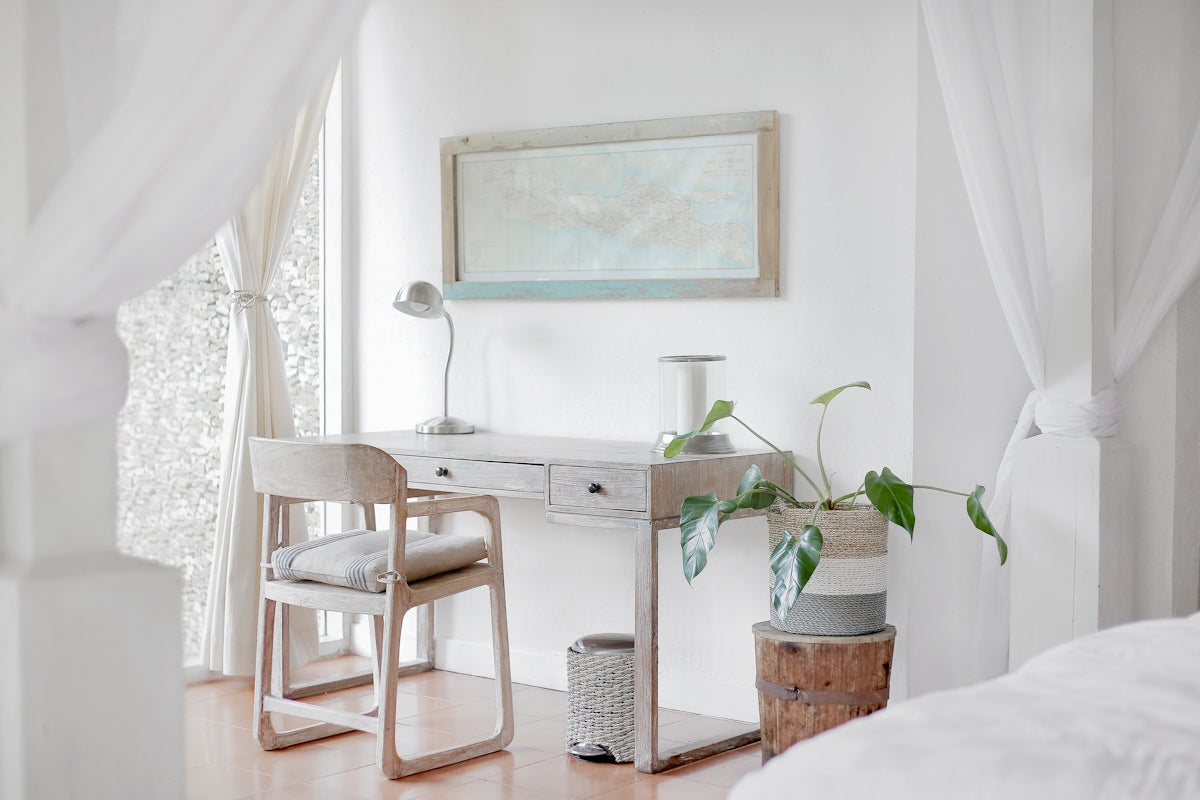
In today's fast-paced world, home decor is often pulled between the tides of tradition and modernity. While sleek, minimalist designs may dominate headlines, there's an undeniable charm and warmth that only traditional craftsmanship can infuse into contemporary spaces. Let's explore the beautiful synergy that occurs when age-old techniques meet modern aesthetics, creating spaces that speak of both history and innovation.
Table of Contents
- Table of Contents
- Celebrating Tradition in Modern Spaces
- The Role of Home Fragrance
- Harmonising Patterns and Scents
- Conclusion
- FAQs
Celebrating Tradition in Modern Spaces
Traditional craftsmanship is all about dedication, detail, and artistry. Whether it's intricate woodwork, hand-woven textiles, or meticulously crafted ceramics, these elements bring a sense of authenticity and personality that mass-produced items simply can't replicate. When incorporated into a modern home, these pieces not only add an artistic touch but also weave a narrative, turning a house into a storytelling space.
Modern interior design isn’t just about looking sleek; it’s about creating an environment that's both functional and reflective of one's personal taste. By integrating traditional craftsmanship, you can achieve a perfect balance that suits contemporary home decor themes while adding depth and character. For those who love more, do check out our thoughts on extravagance in Exploring Maximalism in Home Decor: When More Truly is More.
The Role of Home Fragrance
Home fragrance is another dimension where traditional methods can enrich a modern setting. Scents have the power to trigger memories and emotions, and choosing the right fragrance can enhance the atmosphere created by traditional decor elements. Imagine the earthy aroma of sandalwood complementing a rustic wooden sculpture or the fresh scent of lavender enhancing the beauty of hand-crafted linens.
We delve deeper into the interplay between smell and style in our article The Rise of Smart Home Interiors and the Power of Compatible Fragrances. Here, you'll find insights on how even the most high-tech homes can benefit from the age-old art of fragrance.
Harmonising Patterns and Scents
Patterns in home decor are another avenue where craftsmanship shines. Intricate patterns often have cultural significance and tell stories of heritage. When mixed with a carefully chosen scent, you create a multi-sensory experience that elevates your living space. For those interested in this unique fusion, our guide on How to Incorporate Bold Patterns into Your Home Decor and Pair with the Right Scent is a must-read.
Conclusion
With traditional craftsmanship and home fragrance, your living space becomes more than just a setting; it becomes a sanctuary of stories and sensory delights. Whether you're a devotee of modern minimalism, a champion of maximalism, or anywhere in between, incorporating elements from the past can enrich your present and inspire your future.
For more inspiration and ideas on how to transform your home with traditional and modern elements, visit Fossé Living.
FAQs
What is traditional craftsmanship in home decor?
Traditional craftsmanship refers to the skills and techniques that have been passed down through generations, focusing on handmade processes and the use of natural materials. It embodies the artistry and care put into creating decor items that stand out for their quality and uniqueness.
How can I incorporate traditional craftsmanship into my contemporary home?
You can incorporate traditional craftsmanship by opting for handmade furniture, textile items like rugs or cushions, and decorative pieces such as pottery. Mixing these elements with contemporary designs can create a beautiful balance of old and new styles.
Why is traditional craftsmanship important in today’s decor?
Traditional craftsmanship adds character and personality to a space. It promotes sustainability through the use of durable materials and supports local artisans, helping to preserve cultural heritage and traditional techniques.
What materials are commonly used in traditional craftsmanship?
Common materials include wood, ceramics, textiles, and metal. Each material often has specific traditional methods associated with it, resulting in unique textures and finishes that enhance the aesthetic of home decor.
Are there specific styles that highlight traditional craftsmanship?
Yes, styles such as rustic, bohemian, and Scandinavian design often highlight traditional craftsmanship. These styles celebrate natural materials, intricate designs, and artisanal details, creating a warm and inviting atmosphere.
How can I distinguish between mass-produced and handcrafted items?
Handcrafted items typically showcase unique imperfections and variations, reflecting the artisan's skill and the material's characteristics. In contrast, mass-produced items tend to have uniformity and a more mechanical appearance.
What are the benefits of choosing handcrafted decor over mass-produced options?
Choosing handcrafted decor can provide a deeper connection to the item, as each piece often tells a story. Handcrafted items are usually made with higher quality materials and techniques, resulting in greater longevity compared to mass-produced goods.
Can traditional craftsmanship be sustainable?
Absolutely. Many artisans focus on sustainable practices, using locally sourced materials and eco-friendly methods. This approach not only reduces environmental impact but also supports local economies and craftsmanship.
How do I care for handmade decor items?
Caring for handmade decor varies by material; however, general tips include using gentle cleaning products, avoiding harsh chemicals, and being mindful of the environment in which the item is placed. Following specific care instructions from the artisan will help maintain the piece's longevity.



Comments