
The Future of Interior Design and Emerging Trends for 2025
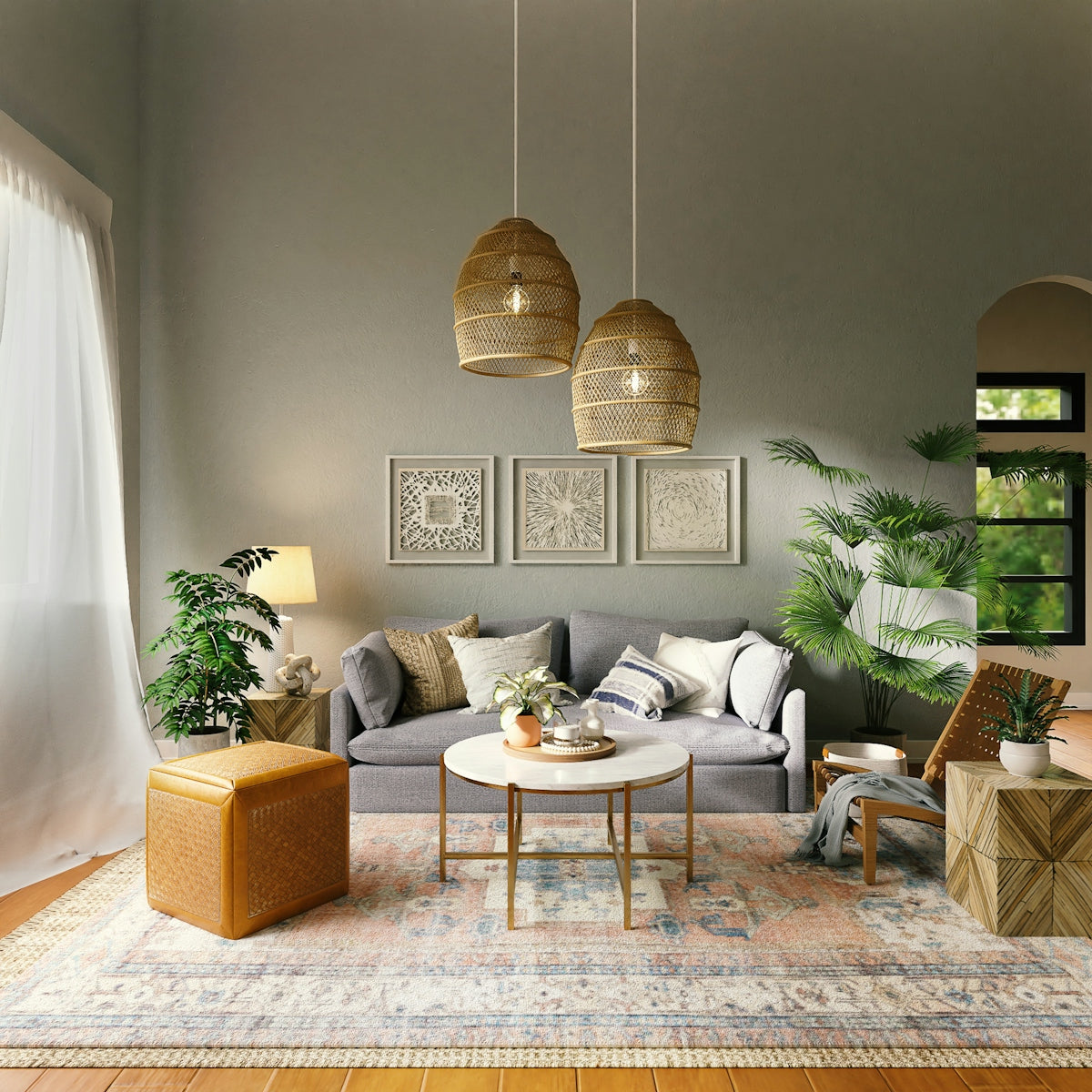
As the world of interior design continues to evolve, 2025 promises to bring forth an exciting array of changes and innovations. For those eager to stay ahead of the curve, understanding the emerging design trends is key to revamping your space and ensuring it remains both stylish and functional. As we look towards 2026, the landscape of interior design is set to be characterised by sustainable practices, technological integration, and a focus on personalised living spaces.
Table of Contents
- Table of Contents
- Sustainable Practices and Eco-Friendly Materials
- Technological Integration into Everyday Living
- Personalised and Adaptable Spaces
- Conclusion
- FAQs
Sustainable Practices and Eco-Friendly Materials
One of the foremost trends we anticipate seeing in 2025 is a heightened focus on sustainability and the use of eco-friendly materials. Designers are increasingly mindful of their environmental impact, opting for recycled, upcycled, and ethically sourced materials. This not only appeals to eco-conscious consumers but also sets a precedent for responsible design practices going forward. To delve deeper into these exciting advancements, visit our Understanding 2025 Design Trends to Revamp Your Space article.
Technological Integration into Everyday Living
The integration of smart technology into home designs is another trend to watch. With technology becoming an intrinsic part of everyday life, interior design is not being left behind. Smart home systems, energy-efficient appliances, and even AI-driven personal assistants are expected to become more commonplace, making homes not only more convenient but also more energy-efficient. For more on innovative design concepts for the future, check out our article on Embracing Innovation with 2025 Interior Design Concepts.
Personalised and Adaptable Spaces
Consumers are increasingly looking for ways to personalise their living spaces to reflect their individuality and unique lifestyles. In 2025, design will focus on adaptable spaces that can evolve with the homeowner's needs. This trend towards personalisation allows for creativity and uniqueness to flourish, offering bespoke solutions that cater to specific tastes and functional requirements. Learn more about how modern homes are adapting to these trends in our article Discovering the Interior Design Trends of 2025 for Modern Homes.
Conclusion
With 2025 just around the corner, these emerging design trends promise to transform our living spaces into smarter, more sustainable, and highly personalised environments. For those looking to stay updated on the latest in interior design, Fosse Living remains committed to exploring and featuring the forefront of these advancements. As we edge closer to 2026, it's an exciting time for both designers and homeowners looking to innovate and enhance their homes.
FAQs
What are the key emerging trends in interior design for 2025?
The key emerging trends for 2025 include sustainable materials, biophilic design, smart home integration, and flexible spaces. Designers are increasingly focusing on eco-friendly options, incorporating natural elements, and utilising technology to enhance user experience.
How is sustainability influencing interior design?
Sustainability is becoming central to interior design, with a growing emphasis on using recycled materials, reducing waste, and creating energy-efficient spaces. Designers are also adopting practices that honour the environment and support local craftsmanship.
What role does technology play in the future of interior design?
Technology is set to play a crucial role, with smart home systems, augmented reality tools, and innovative design software revolutionising how spaces are conceived and created. This integration allows for greater efficiency, tailored solutions, and enhanced user control over their environments.
How can biophilic design improve wellbeing in living spaces?
Biophilic design brings nature indoors, which can significantly enhance wellbeing. By incorporating natural light, plants, and organic materials, these designs create calming spaces that promote relaxation and productivity, leading to improved mental and physical health.
What are the benefits of flexible spaces in homes?
Flexible spaces allow for adaptability in design, catering to changing needs and lifestyles. Whether for remote work or entertaining, creating multifunctional areas maximises utility and reflects the evolving demands of modern life.
How will colour trends evolve in interior design by 2025?
Colour trends in 2025 will likely gravitate toward calming, earthy tones combined with bold accents. These palettes will focus on creating harmony and balance, drawing on nature's hues to evoke a sense of peace and connection within a space.
Are minimalist designs still relevant in 2025?
Yes, minimalist designs remain relevant, but they will evolve. The future of minimalism will focus on intentional simplicity, prioritising quality over quantity and incorporating personal touches that reflect individual style and identity.
How can I incorporate future design trends into my current home?
Incorporating future design trends can be as simple as starting small. Consider integrating sustainable materials, adding greenery, and opting for versatile furniture pieces that adapt to your lifestyle. Staying informed about trends can help you make strategic choices that enhance your space gradually.
What should I look for in an interior designer for future-focused projects?
When seeking an interior designer, look for those with a strong understanding of emerging trends, sustainability practices, and technology integration. It's essential that they can demonstrate a portfolio that reflects innovative and adaptable design solutions.

Comments