
Integrating Cutting-Edge Interior Design Trends for 2025.
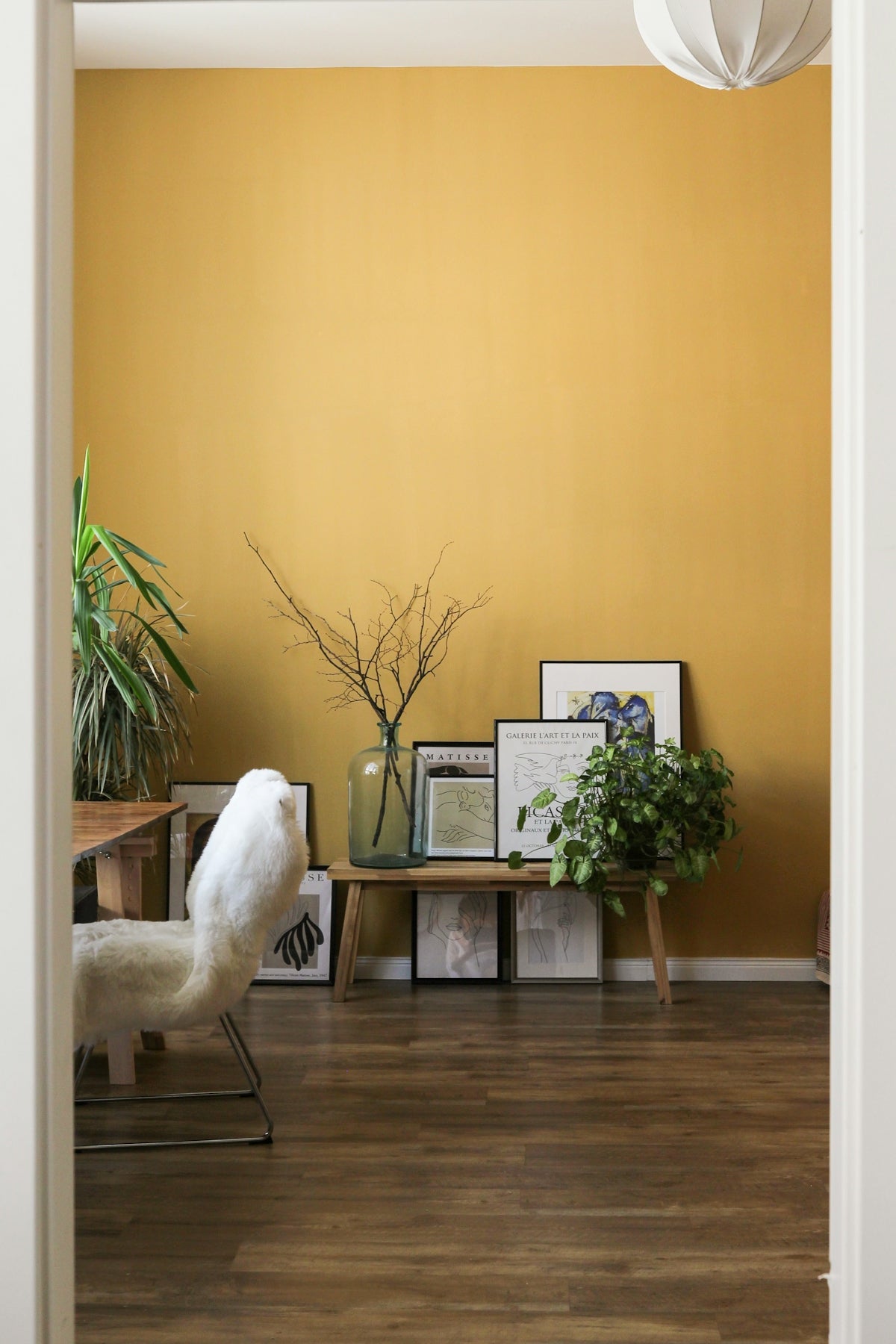
As the world looks ahead to the vibrant possibilities of interior design in 2026, it's essential to first explore and integrate the cutting-edge trends of 2025. These trends offer a preview of the styles and aesthetics that will gain prominence in 2026, providing a seamless transition into the future of design. At Fosse Living, we couldn't be more excited about the innovative possibilities that these trends bring to the world of interior design.
Table of Contents
- Table of Contents
- Embracing Nature: Biophilic Design
- Technological Integration and Smart Homes
- Sustainable and Eco-Friendly Materials
- Artistic Expression and Personalisation
- Looking Ahead to 2026
- FAQs
Embracing Nature: Biophilic Design
Biophilic design has been a buzzword in the design community for a few years and continues to gain traction in 2025. With an emphasis on natural light, green spaces, and natural materials, this trend aims to create a harmonious balance between indoor spaces and the outside world. By integrating living walls, large indoor plants, and earthy textures into your home, you create a calming and rejuvenating environment.
To dive deeper into how biophilic design is shaping the interior spaces of 2025, take a look at our article, The Top Interior Design Trends of 2025 You Can't Ignore.
Technological Integration and Smart Homes
As technology weaves its way deeper into our daily lives, it naturally follows that it will continue to play a pivotal role in interior design. Smart home systems, voice-activated devices, and integrated lighting solutions are not just conveniences but will become staples in design innovation. The trend of blending technology with design creates spaces that are not only functional but also forward-thinking.
Explore further into this trend with our article, Solving Common Issues with 2025 Interior Design Techniques, where we offer solutions to common smart home technology challenges.
Sustainable and Eco-Friendly Materials
Sustainability remains at the forefront of design trends moving into 2025 and directly influences choices for 2026. Designers are increasingly seeking materials that reduce environmental impact and offer durability. From recycled metals and plastics to sustainably sourced wood and textiles, the focus is on creating beautiful spaces with a conscience.
Uncover more insights into how eco-friendliness is shaping 2025 design in our post, Answering Popular Questions about 2025 Interior Design Trends.
Artistic Expression and Personalisation
Individual expression will take centre stage in 2025, allowing homeowners to create spaces that reflect their unique personalities. Bold colours, custom-made furniture, and eclectic artwork enable you to personalise your environment. This trend not only celebrates diversity but also cultivates a sense of identity and belonging within the home.
Looking Ahead to 2026
While 2025 offers a myriad of exciting design trends, it sets the stage for the innovations of 2026. By embracing these current trends, homeowners and designers alike can seamlessly transition and adapt to the upcoming trends of 2026. Stay tuned to Fosse Living for more on what's next in the world of interior design.
Discover the endless possibilities for your home by staying updated with the latest developments. With the right inspiration and guidance, crafting a living space that is both stylish and functional becomes not only possible, but inevitable.
FAQs
What are some of the top interior design trends to watch for in 2025?
In 2025, key trends will include sustainable materials, bold colour palettes, plant-based decor, and multifunctional spaces. Expect to see innovations in technology seamlessly integrated into design, along with a focus on personalisation and creating spaces that reflect individual lifestyles.
How can I incorporate sustainability into my home design?
To embrace sustainability, consider using eco-friendly materials like bamboo, recycled metals, or reclaimed wood. You can also choose furniture made from sustainable resources or explore energy-efficient appliances. Additionally, incorporating greenery through indoor plants can improve air quality and enhance the aesthetic.
What role do colours play in interior design trends for 2025?
Colour trends for 2025 are leaning towards bold and vibrant hues, alongside softer, earthy tones. Deep greens, rich blues, and warm terracottas will dominate palettes. These colours can evoke emotions and create specific atmospheres, so choose shades that align with the mood you want to set in your space.
How can technology enhance my interior design?
Technology can enhance interior design through smart home systems, which allow you to control lighting, heating, and security seamlessly. Additionally, the use of augmented reality apps can help you visualize changes in your layout and decor before making physical adjustments.
What are multifunctional spaces, and how do I create one?
Multifunctional spaces are designed to serve multiple purposes, such as combining a home office with a guest room. To create one, focus on versatile furniture that can adapt to various needs, like a foldable desk or a murphy bed. Incorporating robust storage solutions can also help maintain order and efficiency.
Is it important to consider lighting in interior design trends?
Absolutely! Lighting is critical in setting the mood and highlighting design features. Layering different types of lighting—ambient, task, and accent—can create depth and warmth in any room. In 2025, expect an emphasis on energy-efficient lighting options that also serve as stylish design elements.
How can I personalise my interior design?
Personalisation comes from selecting pieces that reflect your personality and interests. This can include artwork, decor items, or family heirlooms. Combining these personal touches with current trends can create a unique space that feels distinctly yours while still feeling fashionable.
What trends might be fading out as we enter 2025?
As we move into 2025, there may be a decline in overly minimalistic designs that lack character. Instead, there will be a shift towards warmth and individuality in spaces. Trends leaning towards stark monochromes and a lack of personal touches may fall out of favour in lieu of more vibrant and engaging environments.
How do I make my small space feel larger using design trends?
To create the illusion of space, opt for light colours on walls and furnishings, which can open up the room. Mirrors strategically placed can enhance light and depth, while multifunctional furniture can declutter and streamline your space. Incorporating vertical design elements can also draw the eye upwards, making ceilings feel taller.

Comments