
How the Design Trends of 2025 Are Transforming Interiors
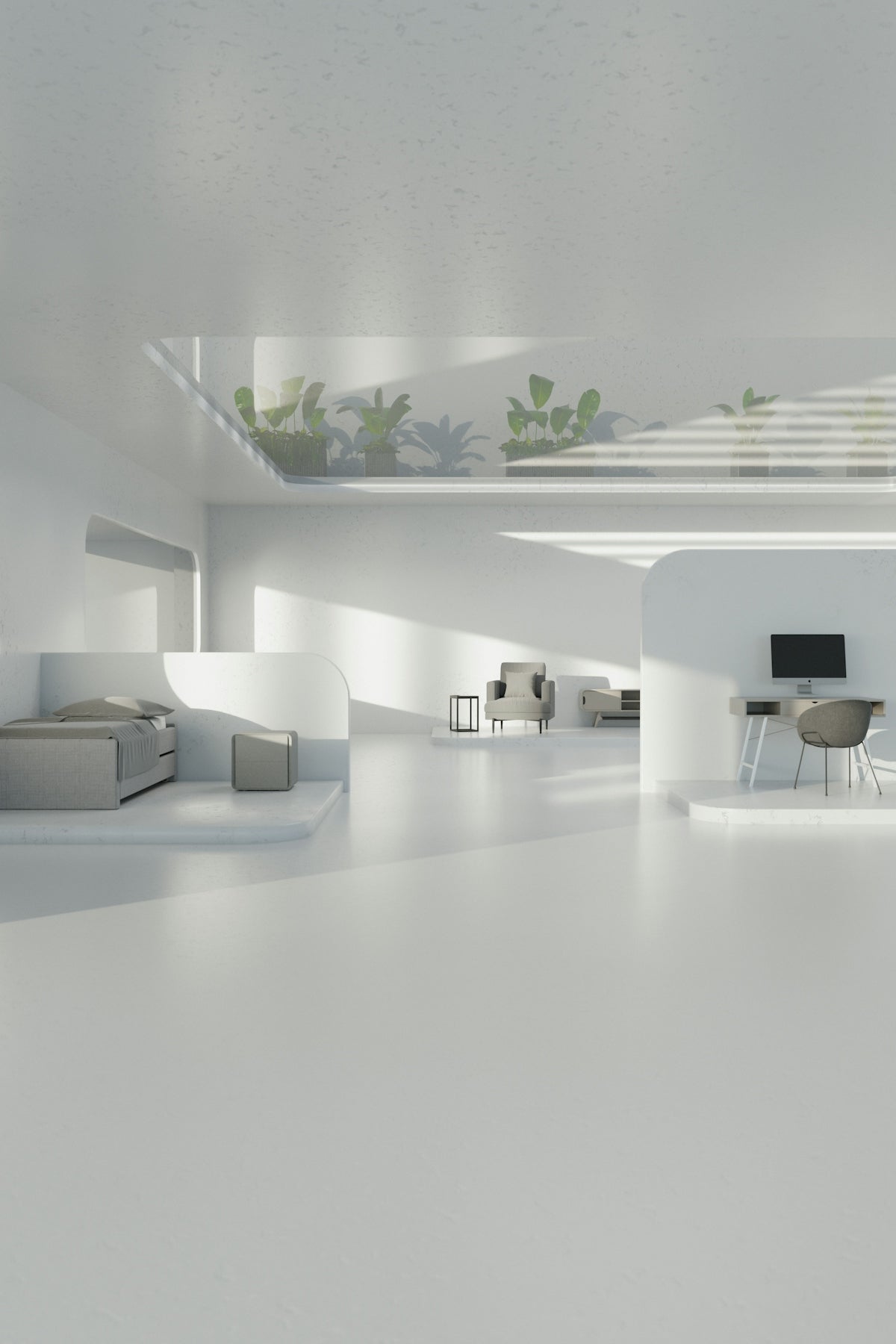
As we peek into the future, the design trends of 2025 are already shaping our interiors, paving the way for an exciting evolution in interior design. At Fosse Living, we are constantly inspired by emerging trends that redefine our living spaces. In this blog post, we explore how these trends are not only capturing the essence of 2025 but are also setting the stage for the design trends of 2026.
Table of Contents
- Table of Contents
- Nature-inspired Designs
- Smart Integration
- Sustainable Practices
- Minimalism with a Twist
- Personalised Spaces
- FAQs
Nature-inspired Designs
One of the most significant trends transforming interiors in 2025 is the inclination towards nature-inspired designs. Drawing deeper connections with the natural world, designers are increasingly incorporating elements like natural wood, stone, and organic textiles into interior spaces. This trend brings tranquillity and a sense of calm, creating sanctuaries that are both stylish and sustainable. For further insights, you can read more in our article, Unveiling the Interior Design Trends of 2025: What to Expect.
Smart Integration
As technology continues to advance, the seamless integration of smart technology into interior design is becoming more prevalent. Homes are being transformed into hyper-efficient, tech-savvy environments with intelligent lighting, automated climate control, and voice-assisted features. Such advancements are sure to be even more pronounced in the design trends of 2026, as smart home technology evolves further.
Sustainable Practices
Sustainability remains at the forefront of design choices in 2025. The trend is shifting towards eco-friendly materials and sustainable practices, reflecting a global consciousness towards preserving our planet. Whether through the use of recycled materials or energy-efficient systems, sustainability is not just a trend but a lifestyle choice that will continue its momentum into 2026.
Minimalism with a Twist
Minimalistic designs have long been appreciated for their simplicity and elegance. However, 2025 brings a unique twist to this enduring style by incorporating bold colours and statement pieces. This trend adds character and depth while maintaining the clean lines and understated elegance that minimalism is known for. Discover more about how to apply this trend in our article, Revealing the Design Trends of 2025 and How to Apply Them.
Personalised Spaces
Personalisation is taking center stage in 2025, encouraging individuals to express their unique identities through their living spaces. Bespoke furniture, custom art, and handcrafted pieces allow for a personal touch that makes each interior design distinctly individual. This trend is likely to continue influencing the design landscape as we look towards 2026.
As we journey through the innovative landscape of 2025, these transformative trends not only redefine our interiors but also lay the groundwork for what's to come in 2026. Embrace the future of interior design with Fosse Living and witness your spaces transform into reflections of modern sophistication and timeless elegance.
For more inspiration and updates on the latest trends, be sure to explore our articles, including Why 2025 Will be a Landmark Year for Interior Design Evolution.
Stay ahead in the design game with Fosse Living, where style meets innovation.
FAQs
What are some of the most prominent design trends expected in 2025?
In 2025, we are likely to see an emphasis on sustainable materials, biophilic design that incorporates natural elements, multi-functional spaces, and vibrant colour palettes that mix bold hues with soft pastels. Smart home technology will also become increasingly integrated into interior design.
How can I incorporate biophilic design into my home?
You can introduce biophilic design by incorporating plenty of plants, using natural light to your advantage, and selecting natural materials like wood and stone. Consider larger windows or open spaces that connect with the outdoors to create a more harmonious living environment.
Will minimalism still be popular in 2025?
While minimalism may not dominate like it has in previous years, its principles will evolve. Expect to see more warm minimalism, blending simplicity with comfort and personality, where spaces remain uncluttered but are filled with meaningful decor and personal touches.
What colours are trending for interior spaces in 2025?
In 2025, expect a rich mix of bold shades like deep blues and vibrant yellows, balanced with soft, muted tones like sage greens and warm beiges. This combination aims to create spaces that are both energising and serene, allowing for personal expression while maintaining a sense of calm.
How is technology influencing interior design trends?
Advancements in technology are shaping interior design by integrating smart features into everyday living. This includes automated lighting, voice-controlled devices, and interactive surfaces that create a seamless connection between function and style, enhancing convenience and comfort.
What role does sustainability play in 2025's interior design trends?
Sustainability is central to design trends in 2025, with many homeowners prioritising eco-friendly materials, energy-efficient appliances, and repurposed furniture. This reflects a growing awareness of environmental issues and a desire to make responsible choices in home decoration.
How can I make my home feel more personalised?
To personalise your interior, select decor that reflects your lifestyle and interests, such as artwork, family photos, or travel souvenirs. Incorporating unique furniture pieces or DIY projects can also add character and a sense of individuality to your space.
Are open floor plans still a good idea for 2025?
Open floor plans remain popular but are evolving to include more defined spaces that cater to specific functions, such as home offices or relaxation areas. This allows for better organisation and promotes a sense of connection while still providing privacy when needed.
What should I consider when designing a multi-functional space?
When creating multi-functional spaces, focus on flexibility and adaptability. Choose furniture that can serve multiple purposes, such as sofa beds or extendable tables. Storage solutions like built-in shelving can help keep the area organised, ensuring that it functions well for different activities.


Comments