
Exploring Eco-Conscious Interior Design Trends of 2026
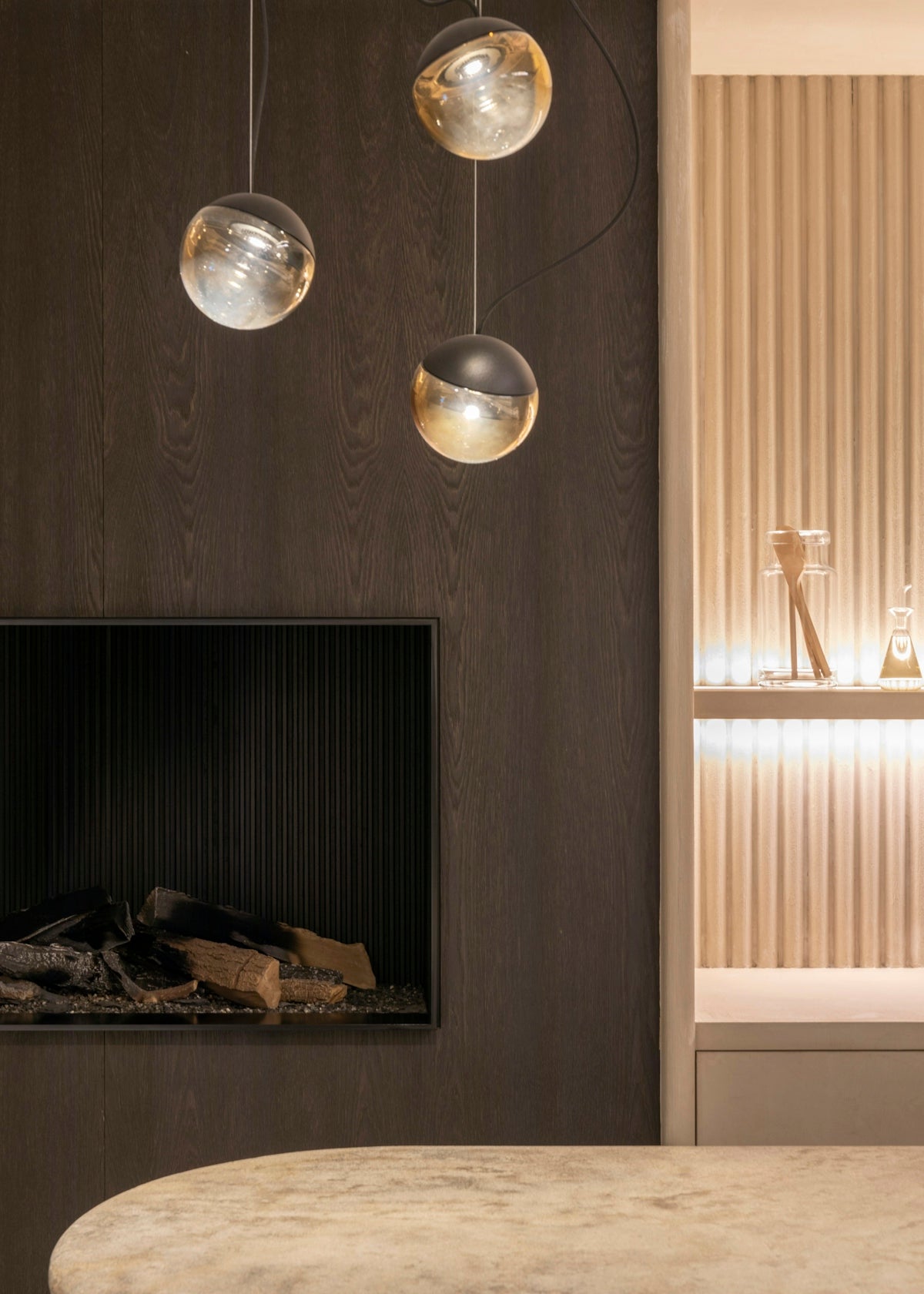
As we journey into 2026, the realm of interior design is witnessing a remarkable transformation towards sustainable and eco-conscious practices. This shift reflects a growing trend among homeowners and designers who prioritise ecological impact without compromising on style or comfort. In this blog post, we'll explore some of the key eco-conscious design trends that are set to define interior aesthetics in 2026.
Table of Contents
- Table of Contents
- Embracing Nature with Biophilic Design
- Sustainable and Ethical Furnishings
- Smart Home Technology for Energy Efficiency
- Minimalist and Multifunctional Spaces
- Conclusion
- FAQs
Embracing Nature with Biophilic Design
Nature-inspired interiors continue to thrive as more individuals seek harmony between the indoors and the natural world. Biophilic design, which involves integrating natural elements into living spaces, is a trend that has gained significant momentum. In 2026, expect to see increased use of natural materials such as wood, stone, and rattan, alongside indoor plants that not only enhance aesthetic appeal but also improve air quality.
Discover more about incorporating natural elements into your home in our article on Key Interior Design Concepts to Embrace in 2026.
Sustainable and Ethical Furnishings
Eco-friendly furniture made from recycled, upcycled, or renewable materials is a hallmark of 2026's design ethos. Designers are increasingly opting for pieces that are not only aesthetically pleasing but also responsibly sourced. This trend promotes the use of reclaimed wood, recycled metals, and organic fabrics that are kind to our planet.
For ideas on refreshing your interior aesthetics with sustainable choices, check out our insights in Solutions to Update Your Decor with 2026 Design Trends.
Smart Home Technology for Energy Efficiency
The integration of smart technology in interior design continues to shape the future of eco-friendly living. From energy-efficient lighting to smart thermostats, homeowners are adopting technology to reduce their carbon footprint. In 2026, the focus will be on seamless, intuitive systems that enhance both convenience and sustainability.
Explore the synergy between tradition and technology in our article on Merging Tradition with Innovation in Interior Design of 2026.
Minimalist and Multifunctional Spaces
Minimalism remains a significant trend, with an increasing number of people opting for decluttered, multifunctional spaces. This movement not only supports a more sustainable lifestyle by reducing consumption but also emphasises quality over quantity. Modular furniture designs that cater to different needs or spaces and fold-away solutions are gaining popularity as practical and eco-conscious choices.
Conclusion
As we embrace 2026, it's clear that eco-consciousness is at the forefront of interior design. By prioritising sustainable materials, integrating smart technologies, and embracing minimalist aesthetics, we can create homes that are both beautiful and kind to the planet. For innovative ways to incorporate these trends into your home, visit our Fosse Living website for more inspiration and ideas.
Stay ahead of the curve and make intentional design choices that contribute to a sustainable future. Let's transform our living spaces in ways that positively impact our environment and the generations to come.
FAQs
What are eco-conscious interior design trends?
Eco-conscious interior design trends focus on creating spaces that prioritise sustainability, energy efficiency, and the use of environmentally friendly materials. These trends emphasise reducing waste, enhancing indoor air quality, and incorporating biophilic design elements that promote a connection with nature.
How can I incorporate sustainable materials into my home?
You can incorporate sustainable materials by choosing furnishings made from reclaimed wood, bamboo, or recycled metals. Look for textiles made from organic cotton, linen, or other eco-friendly fibres. Additionally, consider using low-VOC paints and finishes to maintain a healthy indoor environment.
What are some popular colour palettes for eco-conscious interior design?
Popular colour palettes often include earthy tones such as greens, browns, and warm neutrals. These colours are inspired by nature and help to create a calming atmosphere. Soft blues and muted yellows can also evoke a sense of serenity and connection to the natural world.
What role does energy efficiency play in interior design?
Energy efficiency is crucial in sustainable interior design as it reduces the overall carbon footprint of a space. This can be achieved through the use of energy-efficient appliances, LED lighting, and well-insulated windows and doors. Selecting materials that help regulate temperature can also minimise energy consumption.
Are there specific plants recommended for indoor spaces in eco-conscious design?
Yes, incorporating indoor plants such as snake plants, peace lilies, and pothos can improve air quality and provide a refreshing aesthetic. These plants are low-maintenance and help to create a biophilic environment, fostering well-being and harmony within your home.
What is biophilic design, and why is it important?
Biophilic design is an approach that seeks to connect people with nature, blending indoor environments with natural elements. It is important as it can enhance mental health, reduce stress, and improve productivity. Incorporating natural light, plants, and organic shapes are key aspects of this design philosophy.
How can I make my home more energy-efficient without major renovations?
You can enhance energy efficiency through simple measures such as sealing gaps around doors and windows, using heavy curtains for better insulation, and switching to energy-efficient light bulbs. Additionally, reducing energy usage by unplugging devices when not in use can significantly lower your energy bills.
What is the significance of upcycling in interior design?
Upcycling involves creatively reusing existing materials and furniture to create new pieces, reducing waste and encouraging sustainability. This trend not only fosters unique and personalised designs but also decreases the demand for new resources, making it an attractive option for eco-conscious homeowners.
Are there specific certifications to look for when choosing eco-friendly products?
Yes, look for certifications like Forest Stewardship Council (FSC) for wood products, GREENGUARD for low-emission materials, and Cradle to Cradle for sustainability in manufacturing. These certifications help ensure that products meet rigorous environmental standards and contribute positively to both health and sustainability.



Comments