
Design Trends of 2025 Redefining Interior Design
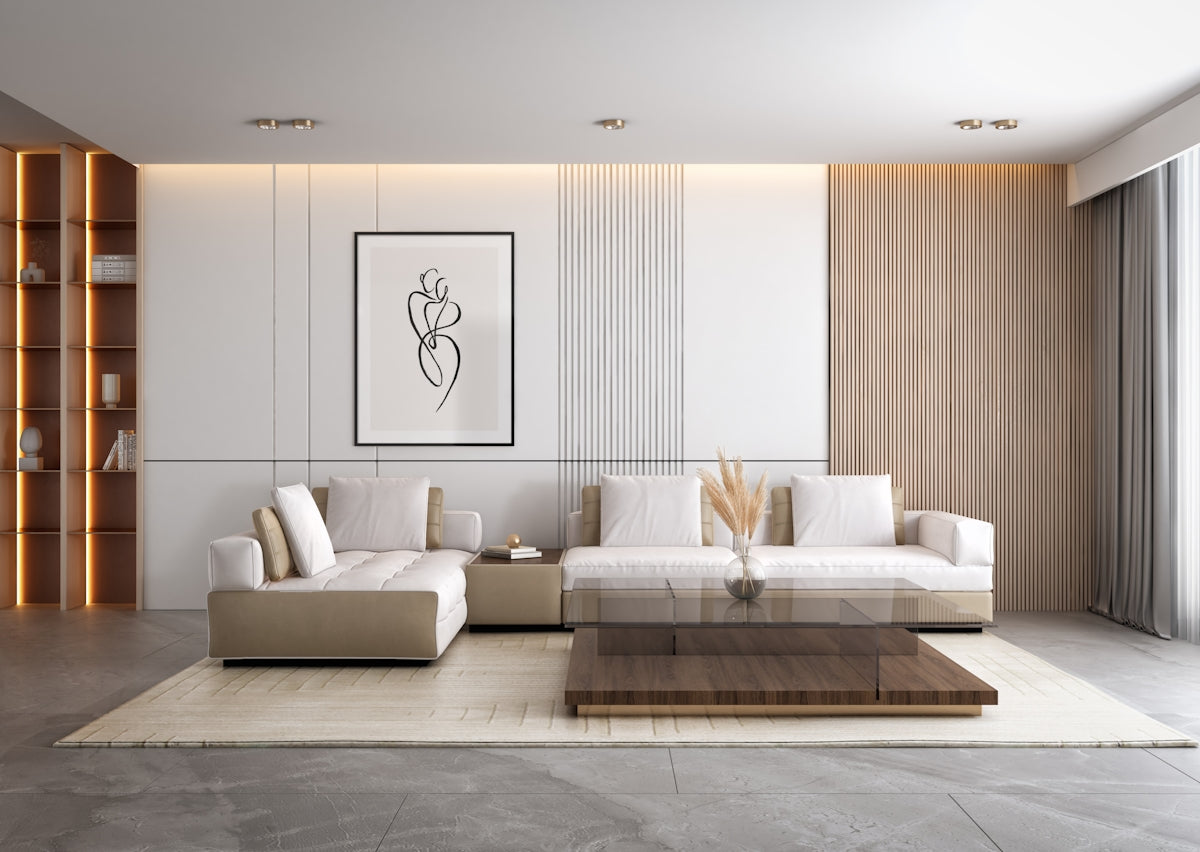
As we inch closer to 2026, the realm of interior design is already imbued with innovations and trends that challenge the norms and reimagine modern living spaces. In 2025, we are witnessing a remarkable transformation influenced by sustainable practices, technology, and a renewed focus on individual expression. Let's delve into these exciting concepts that are redefining interior design and see how they might inform the design trends of 2026.
Table of Contents
- Table of Contents
- Sustainability: A Green Revolution in Interiors
- Technological Integration: The Smart Home Evolves
- Personalised Spaces: Celebrating Individuality
- Colour Palettes and Textures: Bold and Balanced
- Looking Forward
- FAQs
Sustainability: A Green Revolution in Interiors
The sustainability movement continues to gather momentum, standing as one of the most potent driving forces in interior design for 2025. Designers are increasingly integrating eco-friendly materials, focusing on reducing environmental impact, and promoting a lifestyle that is as beautiful as it is responsible.
For further exploration of this trend, be sure to visit our article Exploring Interior Design Innovations and Trends for 2025.
Technological Integration: The Smart Home Evolves
The seamless integration of technology in home environments is more present than ever. From smart lighting and energy-efficient appliances to the subtle incorporation of AI to enhance living spaces, technology is shaping the future of interior spaces. By 2026, these advancements will likely become a standard, blending functionality with design aesthetics.
To discover more about how technology is shaping future spaces, check out Design Predictions for 2025 Shaping the Future of Interior Spaces.
Personalised Spaces: Celebrating Individuality
Gone are the days of cookie-cutter interior solutions. The design trends of 2025 are marked by customisation and the celebration of personal style. This shift encourages homeowners to create spaces that resonate with their personal identity, making every home unique and deeply personal.
To understand how to bring these trends into your living space effectively, read How to Incorporate the 2025 Interior Design Trends in Your Home.
Colour Palettes and Textures: Bold and Balanced
Vibrant colours and a mix of textures are also setting the tone for interiors in 2025. Designers are drawing from nature, art, and technology to craft dynamic environments that evoke emotion and engagement. Moving towards 2026, expect to see a rise in earthy tones balanced with bold accents to create inviting, yet expressive spaces.
Looking Forward
As we anticipate the design trends of 2026, it's clear that the emphasis on sustainability, technology, personalisation, and dynamic aesthetics will continue to evolve. These directions not only redefine interior design but also reflect our collective values and aspirations for the future.
For more insights and ideas on modern interior design, visit Fosse Living.
FAQs
What are the key design trends expected to dominate interiors in 2025?
In 2025, we anticipate a strong emphasis on sustainable materials, biophilic design, and multifunctional spaces. Interior design will focus on creating environments that promote well-being, with an increase in natural light, greenery integration, and eco-friendly furnishing options.
How does sustainability influence interior design trends in 2025?
Sustainability is set to be a foundational element in 2025's design trends. Expect to see increased use of recycled materials, energy-efficient lighting, and furniture sourced from sustainable suppliers. Designers will prioritise creating spaces that minimise environmental impact while maintaining aesthetic appeal.
What role does technology play in interior design by 2025?
Technology will continue to shape interior design, with smart home devices becoming standard in many homes. Advanced technology will not only enhance convenience but also allow for personalised environmental controls, such as lighting and temperature adjustments, contributing to an improved quality of life.
How can I incorporate biophilic design into my home?
Incorporating biophilic design involves introducing natural elements into your living spaces. This can include using natural materials like wood and stone, creating indoor gardens with plants, maximising natural light through window designs, and opting for nature-inspired colour palettes.
What are multifunctional spaces, and why are they trending?
Multifunctional spaces are areas designed to serve multiple purposes, reflecting the evolving needs of modern living. As more people seek to optimise their living environments, these spaces allow for flexibility, accommodating work, leisure, and social interaction seamlessly.
Will colour trends shift significantly in 2025?
Yes, colour trends are expected to shift with a focus on soothing and earthy tones. Expect a palette that promotes calmness and connection to nature, featuring muted shades of green, warm neutrals, and soft blues, providing a harmonious backdrop for various design styles.
How important is comfort in the design trends of 2025?
Comfort is poised to be a central theme in 2025's design trends. With an increased focus on wellness, furniture and space planning will prioritise ergonomic designs and inviting layouts, ensuring that homes are not only visually appealing but also foster relaxation and comfort.
What materials are likely to be popular in 2025’s interior design?
Innovative materials, including sustainable fabrics, bamboo, and recycled metals, will be at the forefront. Designers will leverage textures and finishes that enhance tactile experiences while aligning with eco-friendly practices, offering both style and function.
Are there any emerging design aesthetics expected to gain traction in 2025?
Yes, expect to see a rise in organic and minimalist aesthetics that embrace simplicity and functionality. The focus will be on creating serene and uncluttered spaces that celebrate craftsmanship and authenticity, moving away from overly ornate designs.



Comments