
Creating Cohesive Spaces with 2026’s Interior Design Directions

As we step into 2026, the world of interior design is unveiling exciting new directions that promise to transform our living spaces into harmonious sanctuaries. The design trends of 2026 are all about creating cohesive environments that blend aesthetics with functionality. At Fosse Living, we are thrilled to explore these trends, offering insights into how you can incorporate them into your own home.
Table of Contents
- Table of Contents
- Embrace Nature-Inspired Elements
- Bold Colours and Textures
- Tech-Integrated Living
- Multifunctional Spaces
- Sustainable Practices
- FAQs
Embrace Nature-Inspired Elements
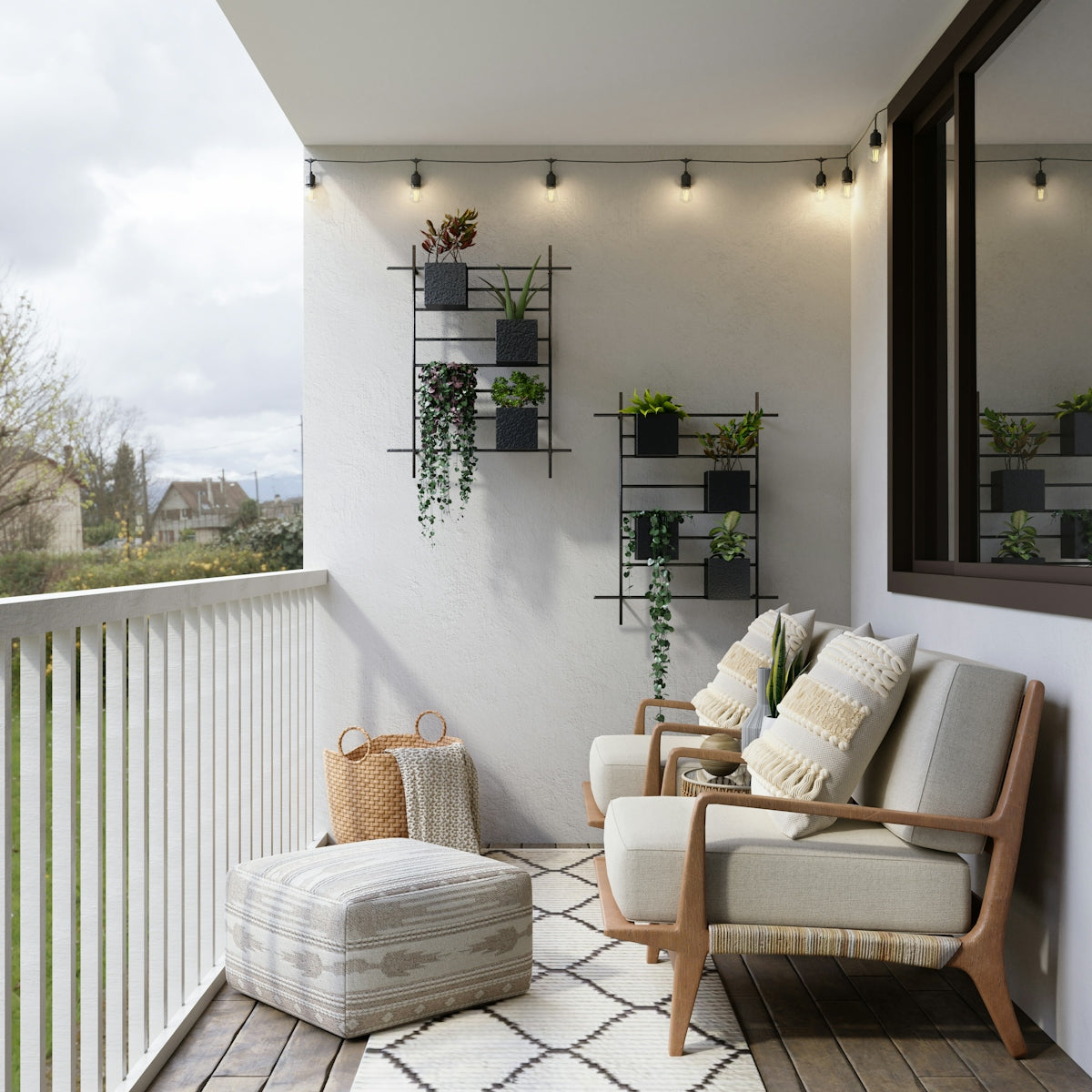
In 2026, nature-inspired elements continue to play a pivotal role in interior design. This year, the trend leans heavily towards biophilic design, which focuses on incorporating natural elements indoors. Using materials like reclaimed wood, stone, and organic fabrics not only enhances the beauty of your home but also promotes wellbeing and sustainability.
For more detailed insights, discover the List of Must-Know Interior Design Trends for 2026.
Bold Colours and Textures
Gone are the days of neutral palettes dominating our interiors. 2026 welcomes bold colours and rich textures that add depth and vibrancy to any space. Whether through a statement wall or eclectic furniture, these elements create visual interest and reflect your personality. This trend encourages creativity and expression, allowing homeowners to experiment with a mix of hues and patterns.
To further enhance your understanding, refer to our Educational Guide to Understanding 2026 Design Trends.
Tech-Integrated Living
Smart homes are becoming more intuitive, and 2026 is set to see even greater integration of technology in our living spaces. From intelligent lighting systems to voice-controlled appliances, technology is being seamlessly woven into the fabric of our interiors, enhancing convenience without sacrificing design.
Don't miss the insights in our Frequently Asked Questions on 2026 Interior Design Innovations.
Multifunctional Spaces
With an emphasis on flexibility and adaptability, 2026 design trends highlight the importance of multifunctional spaces. As more people work from home, creating environments that serve multiple purposes is crucial. Think foldable furniture, creative partitioning, and clever storage solutions that optimise space usage without compromising on style.
Sustainable Practices
Sustainability remains at the forefront of interior design trends in 2026. Environmentally friendly practices, such as upcycling and the use of eco-friendly materials, ensure that our homes are not only beautiful but also kind to the planet.
By integrating these interior design trends, you can create a home that is both stylish and functional. For more inspiration and ideas, be sure to explore our articles and visit Fosse Living to embark on your design journey.
FAQs
What are the key interior design trends to watch for in 2026?
The key trends for 2026 focus on sustainability, biophilic designs that incorporate natural elements, and a mix of vintage with modern aesthetics, creating harmonious and inviting spaces.
How can I create a cohesive colour palette for my home?
To achieve a cohesive colour palette, choose a primary colour and select 2-3 complementary shades. Consider using various tones and textures to add depth while maintaining a unified look across different rooms.
What role does furniture arrangement play in cohesive interior design?
Furniture arrangement is crucial in creating flow and functionality within a space. Aim for balance and symmetry, while ensuring easy movement and accessibility, which fosters a cohesive atmosphere.
How can I use accessories to enhance cohesiveness in my interiors?
Thoughtfully chosen accessories can tie a room together. Opt for items that reflect your chosen colour palette or theme, such as cushions, rugs, and artwork that share similar tones or styles.
Are there specific materials that will be popular in 2026?
Expect to see a rise in natural materials like wood, stone, and rattan, as well as innovative eco-friendly materials that prioritise sustainability while adding texture and warmth to interiors.
How can I incorporate biophilic design in my home?
Incorporating biophilic design involves integrating natural elements such as plants, water features, and natural light. Creating larger windows, using plant walls, or choosing organic shapes in furniture can enhance your connection to nature.
What should I consider when combining different styles in one space?
When combining various styles, focus on a unifying element such as colour, texture, or material. Create a balance by selecting pieces that complement each other, ensuring a sense of harmony without overwhelming the space.
How important is lighting in creating cohesive spaces?
Lighting plays a vital role in establishing the mood and cohesiveness of a room. Layer your lighting with ambient, task, and accent lights to enhance textures and colours, ensuring that every space feels inviting and connected.
Can I mix old and new furniture styles effectively?
Yes, mixing old and new furniture can create a dynamic and interesting space. The key is to find a common thread, such as colour or material, that helps the pieces relate to one another while maintaining a balanced aesthetic.


Comments