
Answers to Your Interior Design Questions for 2025
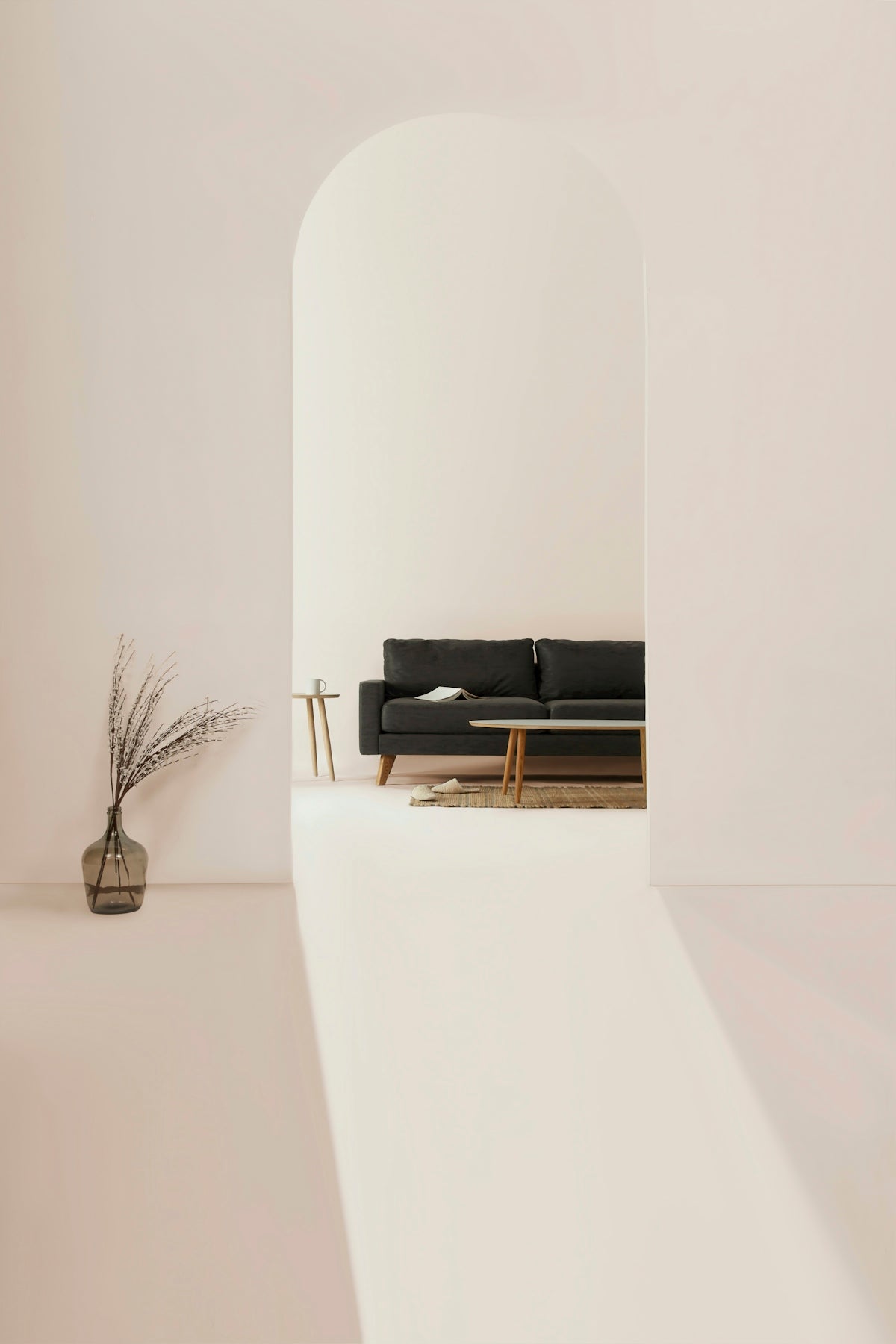
Interior design enthusiasts, brace yourselves for a journey into the aesthetic realms of 2025 and beyond. At Fosse Living, we believe in keeping you ahead of the curve with the freshest insights on design trends. Whether you're planning a home makeover or simply curious about what the future holds, we're here to answer your burning questions about interior design for 2025 and the design trends of 2026.
Table of Contents
- Table of Contents
- What Are the Predicted Design Trends of 2026?
- How Can I Incorporate Sustainable Design in My Home?
- What is the Future of Smart Homes in 2025 & Beyond?
- How Can I Mix Different Styles Seamlessly?
- Is There a Particular Theme for Interiors in 2025?
- FAQs
What Are the Predicted Design Trends of 2026?
2026 is just around the corner, and it's set to be a year of bold statements and eco-conscious choices. Expect an emphasis on sustainable materials that not only look good but also do good for the environment. Think reclaimed wood, recycled metals, and organic textiles. The colour palette will lean towards earthy tones, calming blues, and the occasional pop of vibrant shades.
How Can I Incorporate Sustainable Design in My Home?
Sustainability is not just a buzzword; it's a lifestyle choice. Start by selecting furniture and décor made from sustainable materials. Upcycling is also a great way to give old pieces a new life. Additionally, consider energy-efficient lighting and appliances to minimise your carbon footprint. By making these choices, you can stay true to the design trends of 2026 while contributing positively to the planet.
What is the Future of Smart Homes in 2025 & Beyond?
Technology is an integral part of the home, and smart technology is set to revolutionise it. In 2025, expect to see more integration of smart systems in interior design. From voice-activated controls for lighting and temperature to AI-driven home security systems, technology will enhance comfort and convenience. The design will also evolve to accommodate these innovations seamlessly, blending technology with aesthetics.
How Can I Mix Different Styles Seamlessly?
Mixing styles can give your home a unique personality. The key is to find common elements that tie everything together, such as colour schemes or complementary textures. In 2025, eclectic design continues to thrive, encouraging you to blend modern minimalist elements with vintage charm or industrial touches. The result is a curated look that reflects your personal taste.
Is There a Particular Theme for Interiors in 2025?
Biophilic design continues to remain at the forefront with its focus on bringing the outdoors in. This design ethos prioritises a connection with nature through the use of natural light, greenery, and organic shapes. In 2025, you'll find interiors that feel open, airy, and alive, fostering a sense of well-being and tranquility in the home.
For more insights and to explore our collection, visit Fosse Living. Whether you're an enthusiast or a seasoned designer, we offer the inspiration and resources to transform your home into a space that's both timeless and trendy.
Stay inspired, stay innovative, and welcome the future of design with open arms!
FAQs
What are the top interior design trends for 2025?
In 2025, expect to see a fusion of sustainability and technology in design. Biophilic design, with a focus on natural elements, is gaining momentum, along with smart home features that enhance convenience. Earthy tones and textures continue to be popular, while multifunctional spaces are becoming essential as people adapt to hybrid living and working environments.
How can I incorporate sustainable materials into my home decor?
To incorporate sustainable materials, consider using reclaimed wood, bamboo, and recycled metal or glass in your furniture and decor. Look for locally-sourced textiles or organic fabrics, and utilise non-toxic paints that promote a healthier indoor environment. Being mindful of your choices contributes to eco-friendly living while enhancing the aesthetics of your space.
What are some tips for making a small space feel larger?
Utilising light colours can create a sense of openness, while mirrors help to reflect light and make the space feel bigger. Choose multifunctional furniture, such as a sofa bed or ottoman with storage, and keep the decor minimal to avoid clutter. Vertical storage solutions, like shelves, can also draw the eye upwards, giving the illusion of height.
How important is lighting in interior design?
Lighting plays a crucial role in interior design as it can dramatically affect the mood and perception of a space. A well-thought-out lighting scheme can enhance the functionality of a room and highlight design elements. Utilise a combination of ambient, task, and accent lighting to create a layered effect that complements your decor and supports various activities.
What colour palettes are recommended for 2025?
In 2025, expect to see soft, muted tones mingled with rich, deep colours that create warmth and comfort. Earthy shades like terracotta, olive green, and warm taupe will be popular, often combined with pops of vibrant colours such as rust or indigo. This balance encourages a harmonious and inviting atmosphere in any room.
How can I personalise my interior design style?
Personalising your interior design can begin with reflecting on your interests and lifestyle. Showcase personal items such as artwork, photos, or travel souvenirs that resonate with you. Mixing different styles and influences also allows for a unique blend that expresses your personality. Don’t hesitate to incorporate statement pieces that make you feel at home.
What role does texture play in home design?
Texture adds depth and interest to any interior space, making it more visually appealing. Combining various materials—such as soft fabrics, rough woods, and smooth glass—creates a dynamic contrast that stimulates the senses. Incorporating textiles through cushions, rugs, and curtains can enhance comfort while enriching the overall aesthetic.
Are there any rules I should follow in interior design?
While interior design allows for creativity, there are some guidelines that can enhance your space. The rule of threes suggests grouping decor items in odd numbers for a more appealing arrangement. Additionally, maintaining a consistent colour palette and considering scale helps ensure that furniture and decor complement each other harmoniously.
How can I effectively blend different design styles?
Blending different design styles can create a distinctive and eclectic look. Start by anchoring the room with a dominant style and then introduce elements from other styles that resonate with you. Consider a unifying palette or texture to tie everything together, and use varying shapes and sizes in furniture and decor to maintain balance and visual interest.


Comments