
A Deep Dive into Interior Design Innovations for 2025
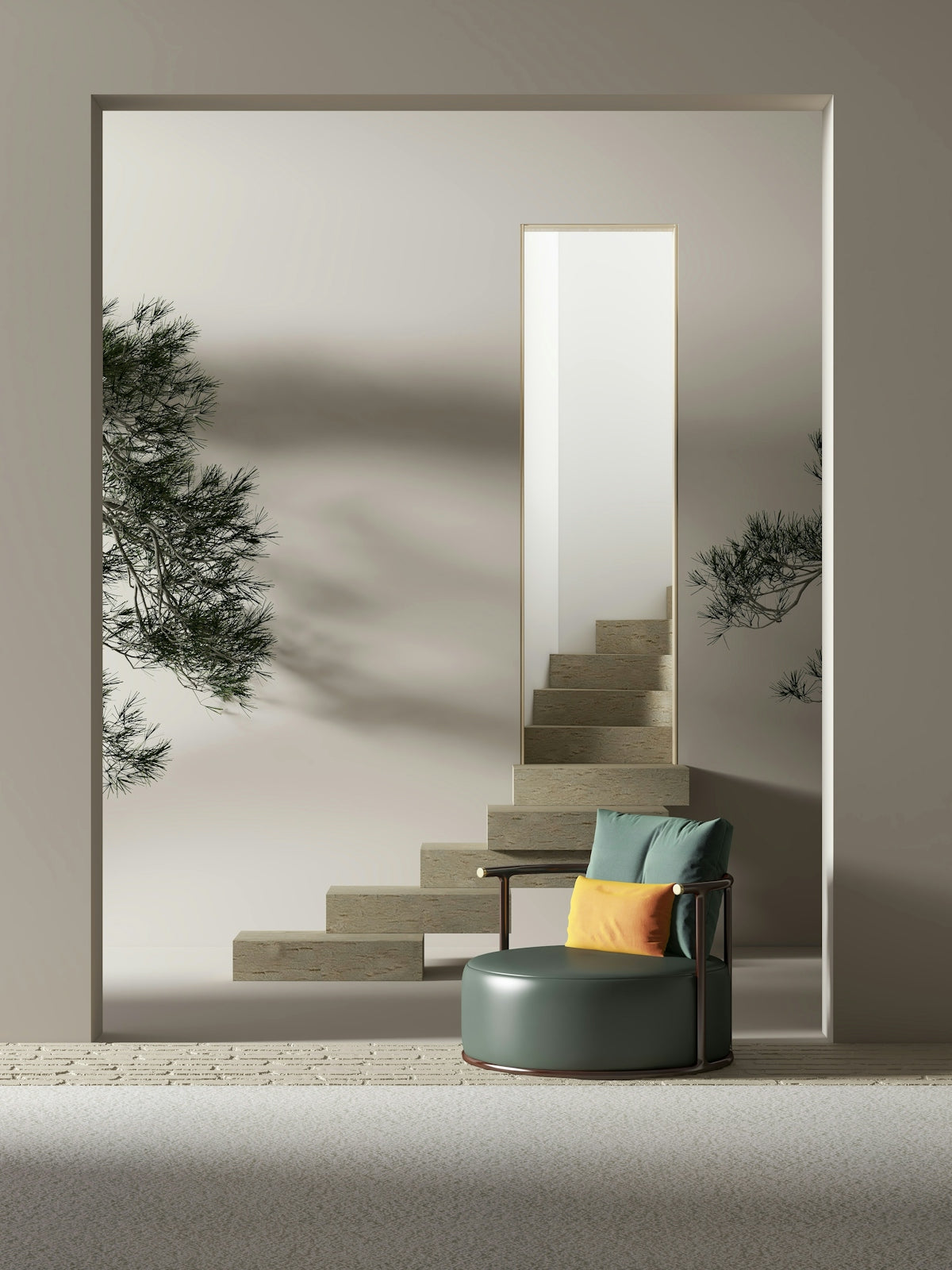
As we edge closer to 2026, the realm of interior design continues to evolve in fascinating ways. Designers are blending traditional elements with futuristic innovations, creating spaces that are not only aesthetic but also functional and sustainable. Here at Fosse Living, we are always on the lookout for trends that will define the future of interior design. Let’s explore some of the exciting developments on the horizon.
Table of Contents
- Table of Contents
- Embracing Nature: Biophilic Design
- Smart Homes: The Future of Living
- Sustainable Materials and Practices
- Minimalist Aesthetics with a Modern Twist
- FAQs
Embracing Nature: Biophilic Design
One standout trend for 2025 that is expected to gain momentum into 2026 is biophilic design. This approach focuses on incorporating natural elements into our living spaces. Think vertical gardens, indoor water features, and the use of natural materials such as wood and stone. This design philosophy not only enhances the aesthetics but also promotes well-being by creating a calming environment. For inspiration on how to incorporate these elements into your space, check out our article on Revamp Your Living Space with the Interior Design Trends of 2025.
Smart Homes: The Future of Living
The integration of technology within our homes continues to revolutionise the way we live. Smart homes equipped with AI technology are becoming more prevalent, offering automated lighting, climate control, and security systems. These innovations not only make life more convenient but also enhance energy efficiency. As we move into 2026, expect to see more holistic applications of these technologies, allowing for seamless interaction between different devices within the home.
Sustainable Materials and Practices
Sustainability is a major driving force behind many of the design trends as we move towards 2026. The use of recyclable materials, energy-efficient appliances, and environmentally-friendly practices in design is on the rise. Designers are turning towards upcycled furniture and eco-friendly fabrics, ensuring that our interiors are stylish yet sustainable. Dive deeper into these eco-conscious trends by visiting our Exploring the Exciting Interior Design Trends of 2025.
Minimalist Aesthetics with a Modern Twist
Minimalism continues to dominate the interior design scene, but with a fresh twist. While maintaining clean lines and uncluttered spaces, designers are introducing bold colours and statement pieces to add personality to the mix. This evolution of minimalism allows for a more personalised and dynamic living space that reflects individual tastes without sacrificing the serene simplicity that minimalism is known for.
These exciting interior design innovations for 2025 offer a glimpse into the future trends of 2026. As you ponder over redesigning your space, consider these elements to create a living area that is both contemporary and timeless. Visit Fosse Living for more insights and ideas on how to stay ahead in the ever-evolving world of interior design.
FAQs
What are some key trends in interior design innovations for 2025?
Interior design innovations for 2025 are likely to focus on sustainability, smart home technology, biophilic design, and multifunctional spaces. Expect to see more use of eco-friendly materials, integrated technology that enhances functionality, and a strong emphasis on bringing nature indoors.
How is technology shaping interior design in 2025?
In 2025, technology will play a pivotal role in creating intelligent spaces. Smart home systems will be more seamlessly integrated, allowing for automation of lighting, heating, and security, while personalised apps will enhance user experience through tailored design solutions.
What materials are expected to dominate interior design in 2025?
Sustainable materials such as recycled metal, bamboo, and bio-based plastics will be at the forefront. Natural materials like stone and wood will continue to be popular, complemented by innovative materials like aerogel for insulation and environmentally friendly textiles.
Will colour trends change significantly in 2025, and if so, how?
Yes, colour trends for 2025 are anticipated to favour earthy tones and vibrant hues inspired by natural landscapes. Expect to see colours that evoke calmness and resilience, reflecting a desire for wellness and mindfulness in design.
How are minimalism and maximalism influencing designs in 2025?
Both minimalism and maximalism will co-exist in 2025, with designers blending elements from each style to create personalised spaces. The focus will be on striking a balance between simplicity and bold expressions, allowing for statement pieces within serene environments.
What role does biophilic design play in the innovations of 2025?
Biophilic design will be pivotal in 2025, as it emphasises the connection between indoor spaces and nature. This approach will incorporate natural elements, like indoor gardens and ample daylight, to improve mental health and enhance the quality of living spaces.
Can you explain what multifunctional spaces are in 2025?
Multifunctional spaces will become increasingly important in 2025 as urban living demands versatility. Designers will create adaptable areas that can serve multiple purposes, such as home offices that transform into guest rooms, maximising efficiency in limited spaces.
Are there any anticipated challenges in adopting these innovations for homeowners?
One challenge may be the cost of integrating advanced technology and sustainable materials, which can be higher than traditional options. Additionally, homeowners might face a learning curve in utilising smart technology effectively. However, the long-term benefits may outweigh these initial hurdles.
How can I stay updated on the latest interior design trends?
To stay informed, consider following design blogs, participating in webinars, and joining online forums where industry experts share insights. Social media platforms like Pinterest and Instagram are also valuable resources for visual inspiration and the latest trends in interior design.


Comments